
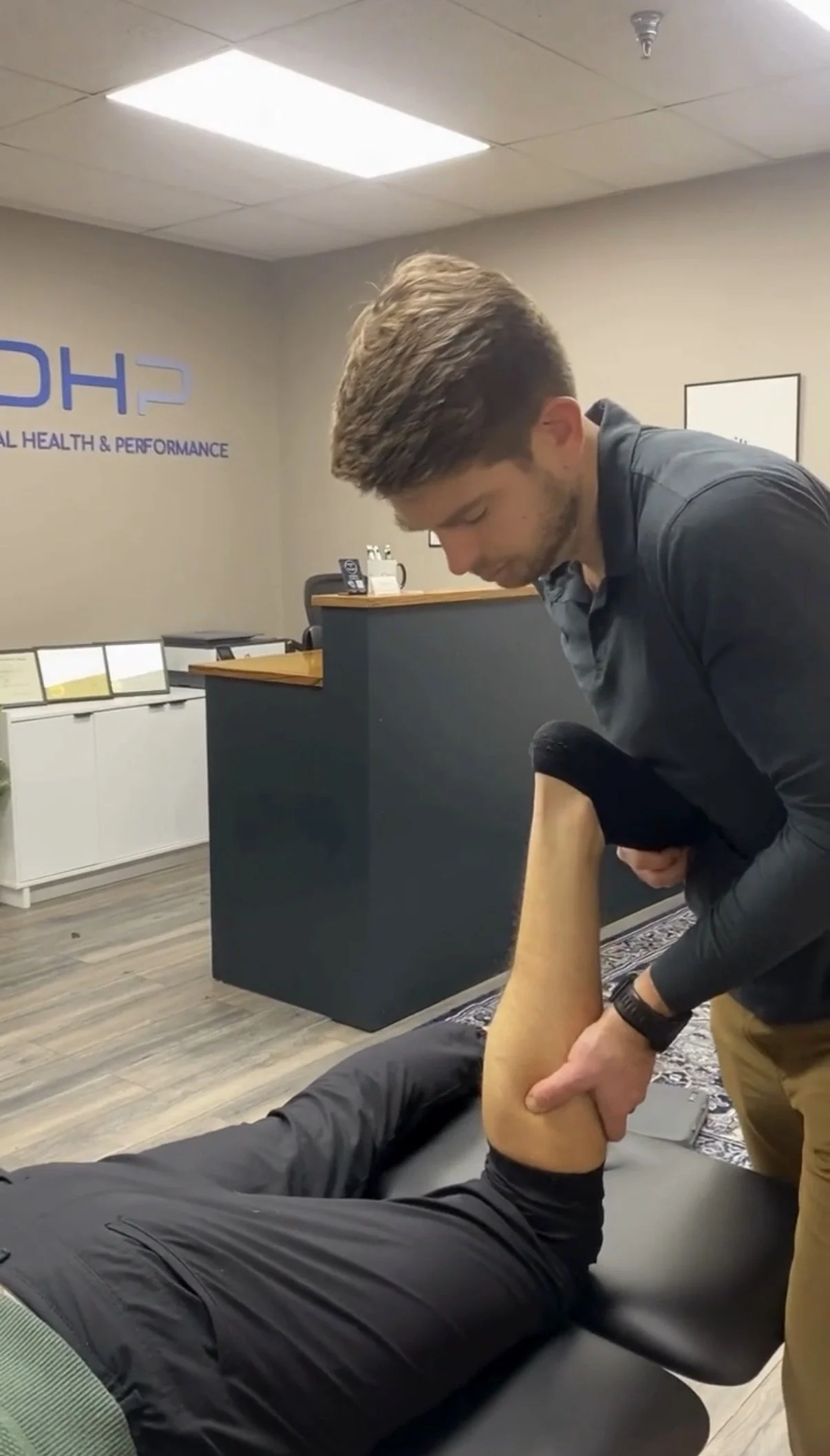
Active Release Technique (ART) in Cincinnati
If you've had massage, stretching, and rest and the problem keeps coming back — ART works differently. It finds and addresses the specific tissue restriction that other treatments miss.
What Is Active Release Technique?
Active Release Technique (ART) is a highly specific, hands-on soft tissue treatment used to identify and resolve restrictions in muscles, tendons, ligaments, fascia, and nerves. It was developed by Dr. P. Michael Leahy and is used extensively by professional sports teams, elite athletes, and high-level practitioners worldwide.
ART is not massage. It's not stretching. It's a precise system of over 500 specific protocols that locates the exact tissue causing the problem and releases it through a combination of applied tension and active movement.
The result is restored tissue function, reduced pain, and improved movement quality — often in far fewer visits than people expect.
Why Do Soft Tissue Problems Keep Coming Back?
When muscle or connective tissue is overused, injured, or placed under repetitive stress, the body lays down scar tissue and adhesions as part of the healing process. These adhesions bind tissues together that should move freely — restricting movement, altering mechanics, and creating the kind of chronic tightness and pain that doesn't fully resolve with rest or general massage.
This is why so many soft tissue problems feel better temporarily and then return. The underlying adhesion is still there.
ART is specifically designed to find and break down these adhesions — restoring normal tissue movement and allowing the body to function the way it's supposed to.
What Can ART Treat?
ART is effective for a wide range of soft tissue conditions, including:
Muscle strains and chronic tightness
Tendinopathy — Achilles, patellar, rotator cuff, bicep
Nerve entrapments and nerve-related pain
IT band syndrome
Plantar fasciitis
Carpal tunnel syndrome
Shoulder impingement and rotator cuff issues
Hip flexor and piriformis restrictions
Hamstring and calf tightness
Recurring injuries that haven't fully resolved
If a soft tissue restriction is contributing to your pain or movement limitation, ART can address it directly.
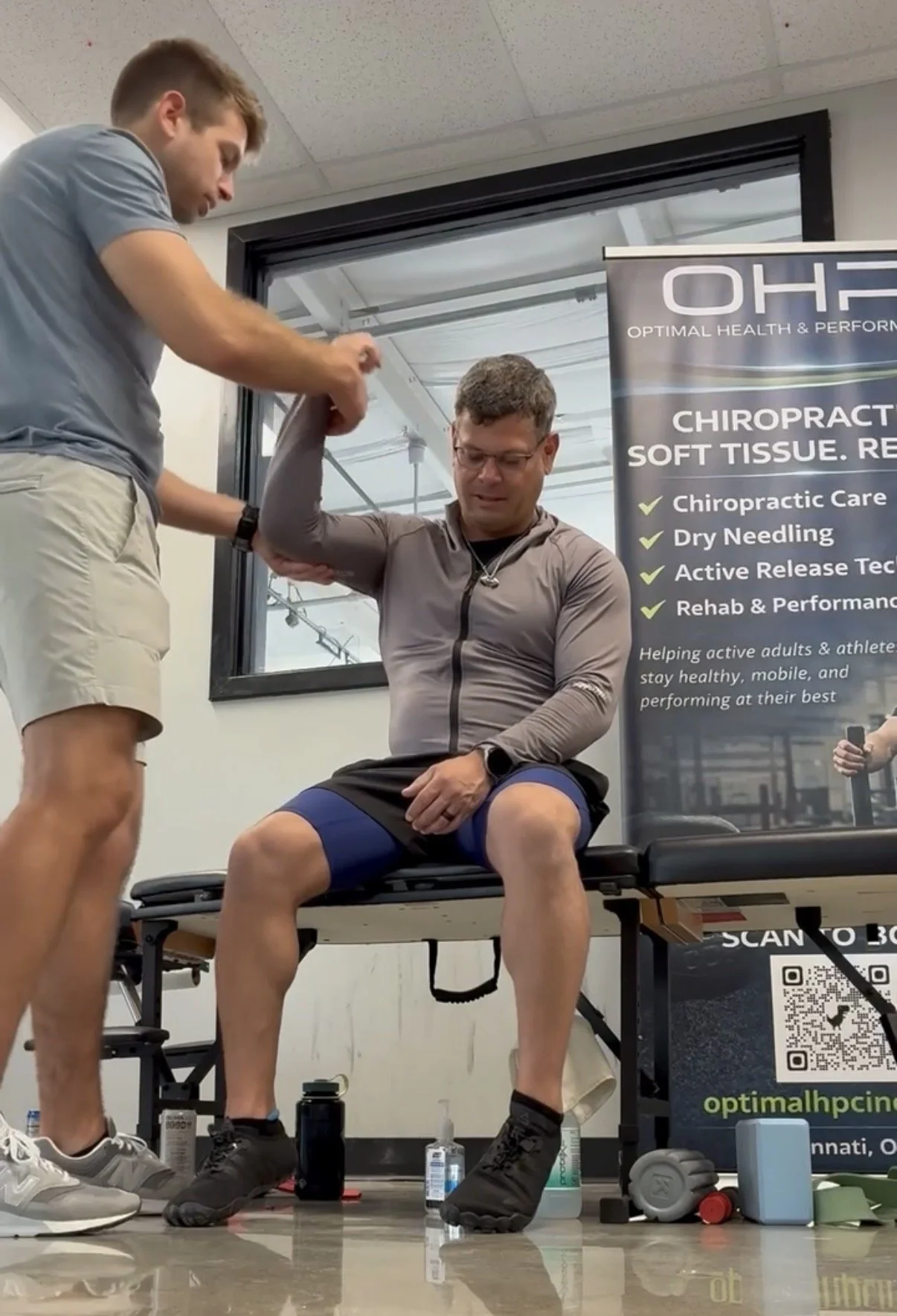
What Does an ART Treatment Feel Like?
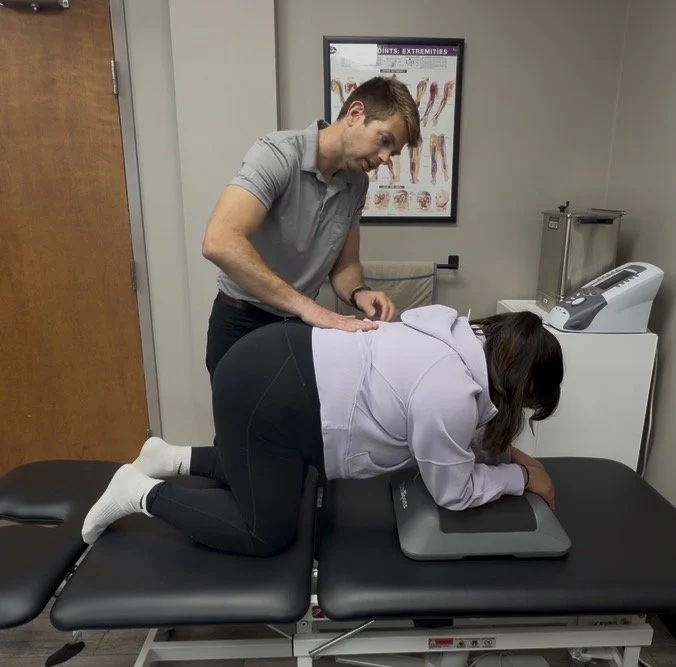
During an ART session, Dr. Trautman applies precise tension to the affected tissue while you actively move the area through a specific range of motion. This combination of tension and movement is what breaks down the adhesion and restores normal tissue glide.
It's common to feel some discomfort during treatment — often described as a "good hurt" similar to deep pressure on a tight muscle. That sensation typically decreases significantly after the first few sessions as the restriction releases.
Most patients notice improvement quickly — often within the first visit or two.
Why Dr. Trautman's ART Certification Matters
Not all ART providers are equal. Dr. Trautman holds full ART certification across upper extremity, lower extremity, spine, nerve, and advanced protocols — one of the most comprehensive certification tracks available. This means every region of the body can be assessed and treated with the full depth of ART's system, not just a basic introductory skill set.
Combined with his background in chiropractic, SFMA, and movement-based rehab, ART at Optimal Health & Performance is applied as part of a complete picture — not as a standalone technique.
How ART Fits Into Your Care
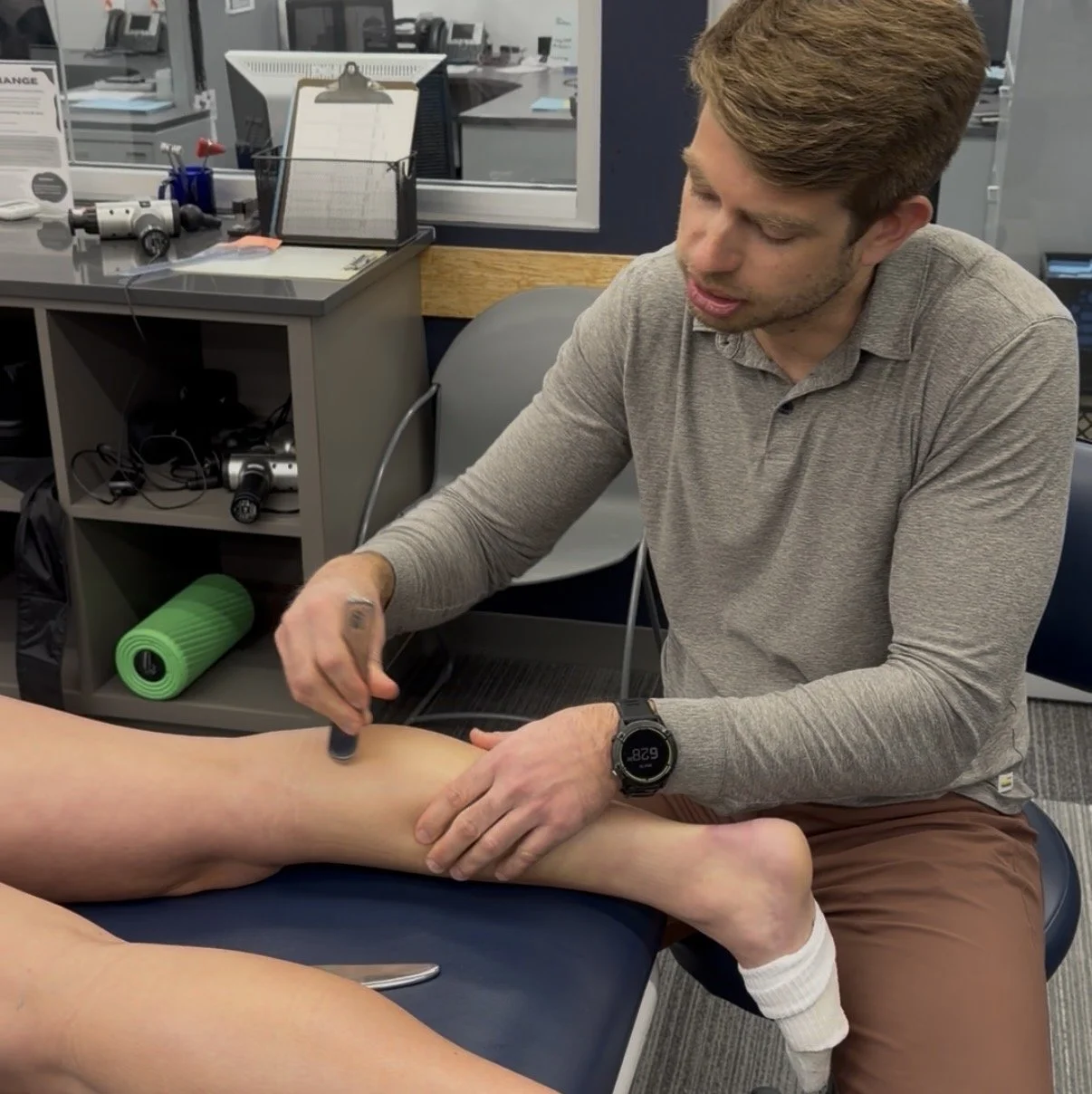
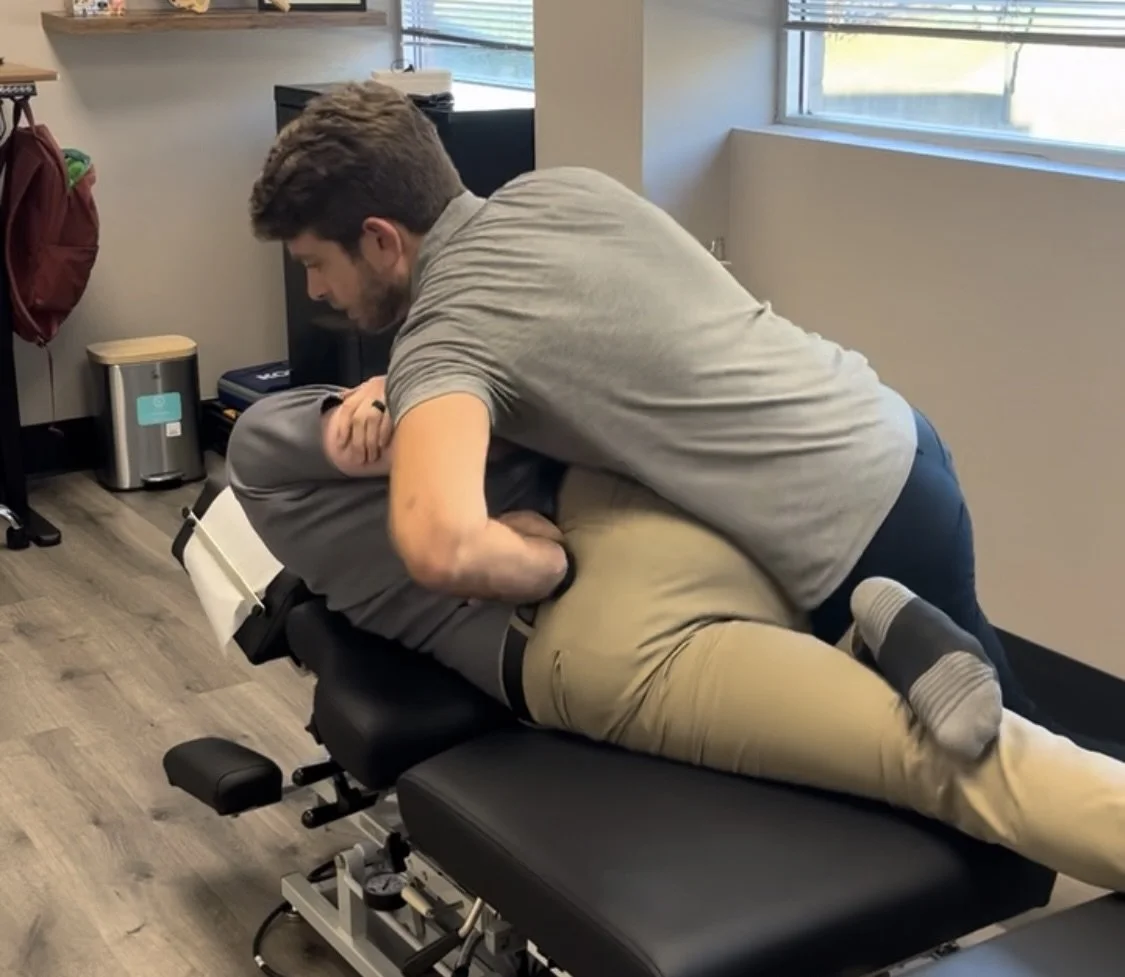
ART is rarely used in isolation. Most visits combine ART with chiropractic adjustments, dry needling, and targeted rehab — because soft tissue restrictions, joint mobility limitations, and movement pattern dysfunction almost always occur together.
Addressing all three is what produces lasting results rather than temporary relief.
If soft tissue restrictions are holding you back, ART can fix them.
Schedule a free 15-minute discovery call to find out if ART is the right fit for what you're dealing with.
FAQs
How is ART different from massage?
1
Massage works broadly to reduce tension and improve circulation. ART is a diagnostic and treatment system — it identifies the specific tissue causing the problem and uses precise tension combined with active movement to release it. The approach, specificity, and results are fundamentally different.
How many ART sessions will I need?
2
Many patients notice significant improvement within 3–6 visits. Chronic or long-standing restrictions may take longer, but ART tends to produce results faster than most people expect once the right tissue is being addressed.
Does ART hurt?
3
Treatment can be uncomfortable — particularly on tissues that have significant restrictions. Most patients describe it as a productive discomfort that decreases noticeably after the first few sessions as the adhesion releases.
Do I need a referral to come in for ART?
4
Yes. ART includes specific nerve mobilization protocols designed to address nerve entrapments and restrictions. If a nerve is being compressed or restricted by surrounding soft tissue, ART can release that entrapment directly.
Can ART help with nerve pain?
5
No referral needed. You can book directly online or start with a free 15-minute discovery call if you're not sure whether ART is right for your situation.