
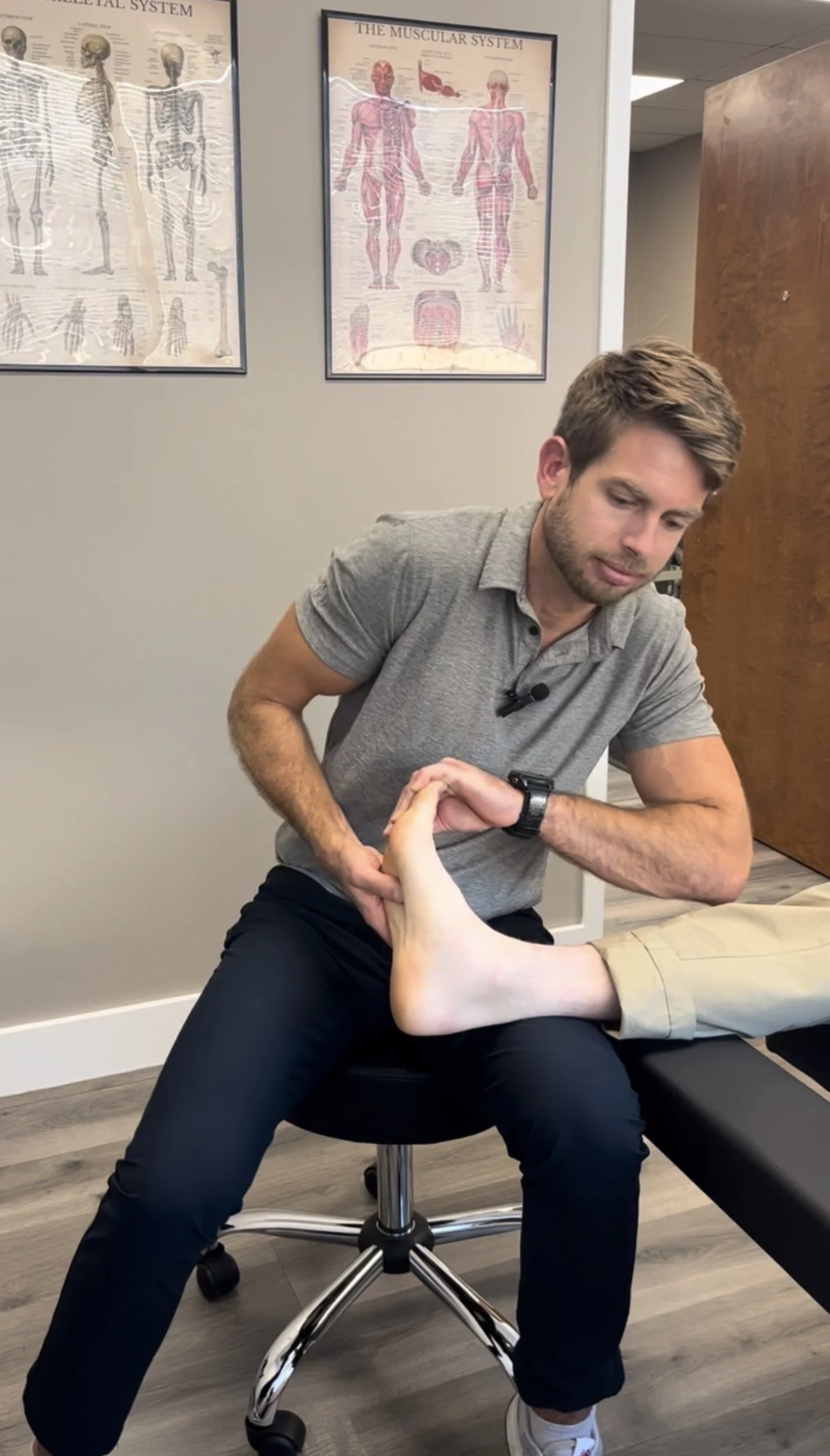
Plantar Fasciitis Treatment in Cincinnati
If you've been stretching, rolling, and resting and it keeps coming back — there's a reason. Plantar fasciitis is rarely just a foot problem.
Why Does Plantar Fasciitis Keep Coming Back?
Plantar fasciitis is one of the most frustrating injuries a runner can deal with. The first steps out of bed feel like walking on glass. It eases up after warming up, then comes back the next morning. You rest, it feels better, you run again, it flares back up.
Most runners have tried the standard advice — calf stretches, frozen water bottle rolling, supportive shoes, maybe a cortisone shot. These approaches manage symptoms. They don't fix the problem.
That's because plantar fasciitis is almost never just a foot issue. The foot is where the pain lives. The cause is usually somewhere else entirely.
Plantar fasciitis and achilles pain share the same root cause — and treating them separately is why most runners can never fully shake either one. Here's what's actually driving both.
What's Actually Driving It?
The plantar fascia absorbs an enormous amount of load with every step. When it becomes overloaded, it gets irritated. But the reason it's being overloaded is what matters — and that reason is usually found further up the chain:
Limited ankle dorsiflexion forcing the foot to pronate excessively
Tight or restricted calf complex altering foot mechanics
Poor hip stability changing how load is distributed through the lower leg
Running gait inefficiencies increasing ground contact stress
A rapid spike in training volume the tissue wasn't ready to handle
Address those drivers and the plantar fascia gets the relief it needs to heal — and stay healed.
Common Presentations We Treat
Classic plantar fasciitis with morning pain and stiffness
Heel pain that worsens with increased mileage
Plantar fasciitis that keeps returning after rest
Chronic foot tightness and restricted ankle mobility
Achilles and plantar fascia involvement together
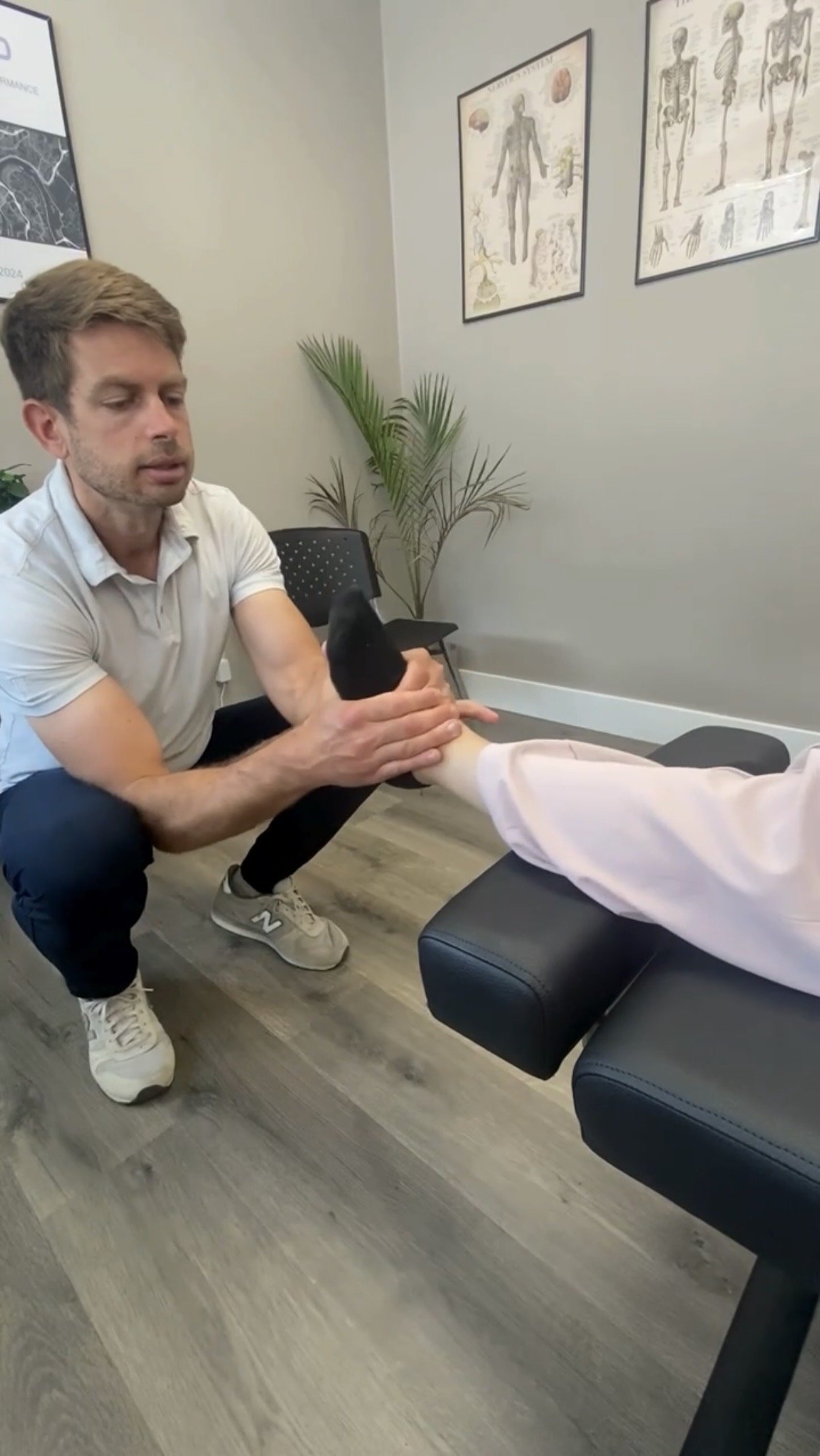
How We Treat It
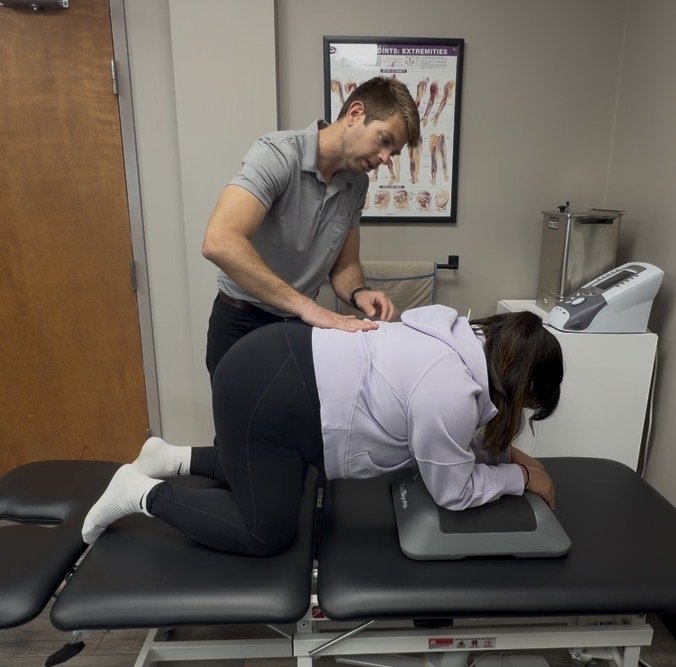
Your first visit includes a movement assessment of the foot, ankle, calf complex, and hip — because all of these contribute to how load is managed at the plantar fascia. Treatment is built around what's actually driving your symptoms, not just where they're showing up.
Treatment typically combines:
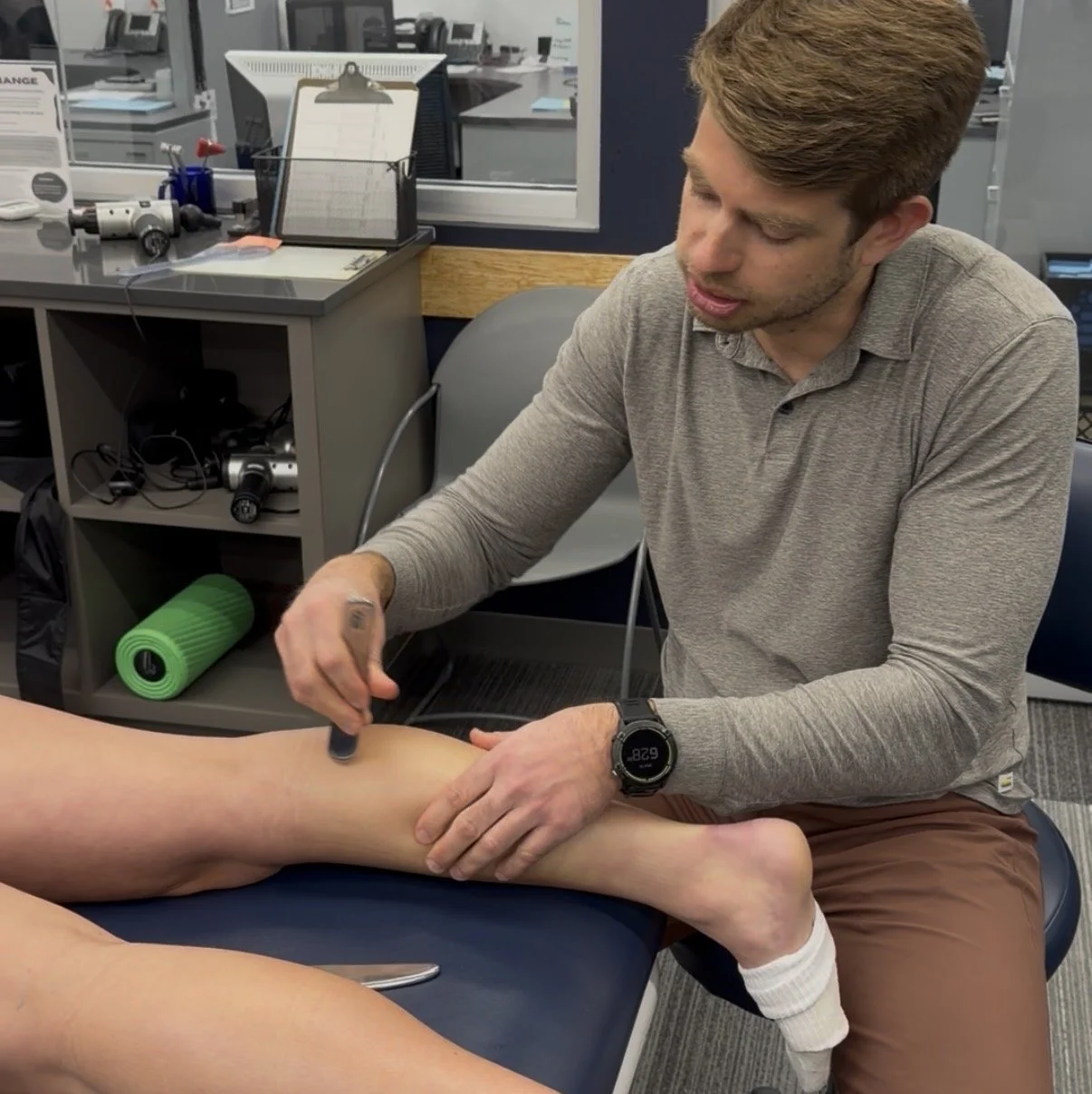
Active Release Technique (ART) to address restrictions in the plantar fascia, calf, and surrounding soft tissue
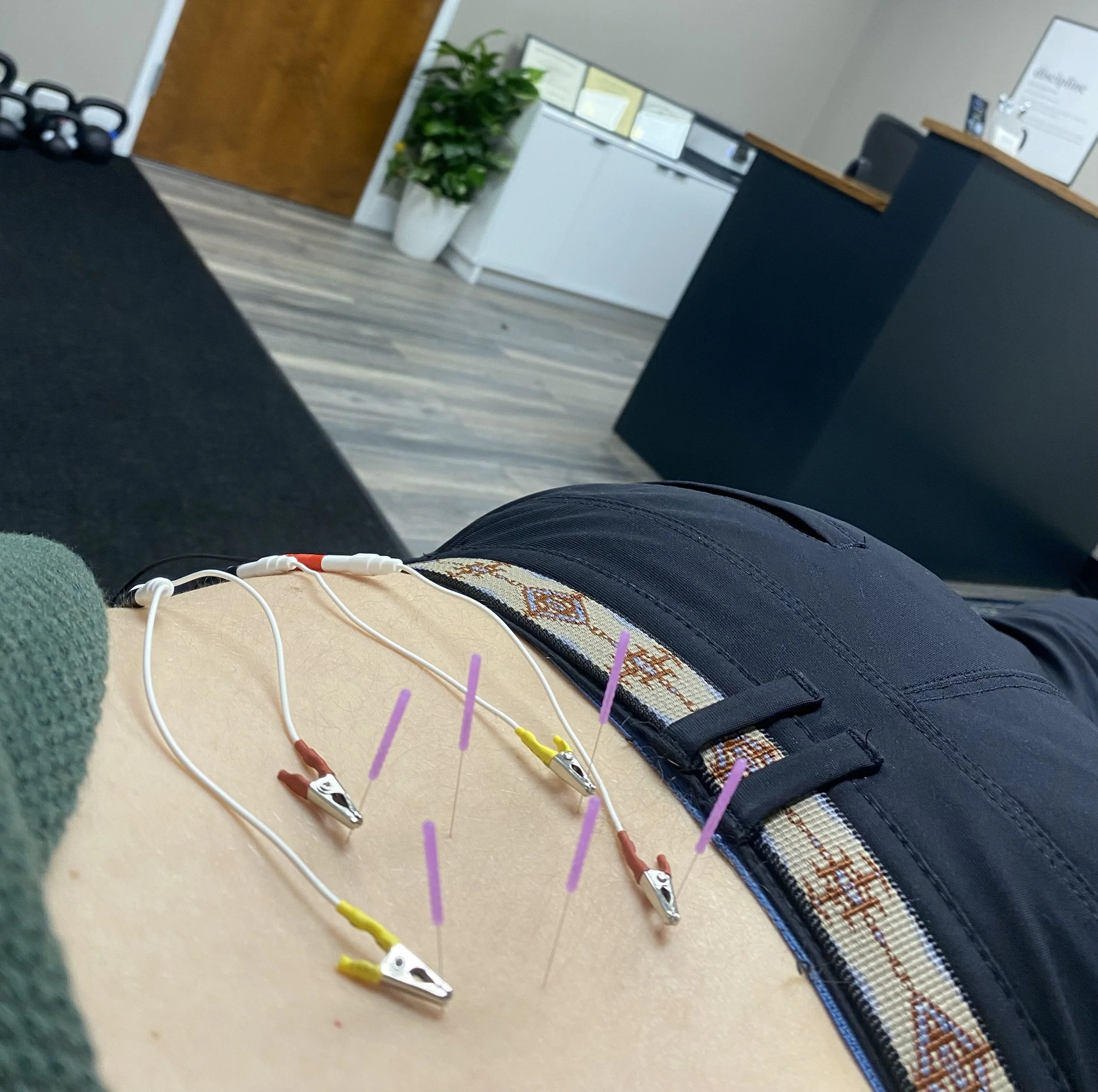
Dry needling to reduce tension in the calf complex and intrinsic foot muscles contributing to overload
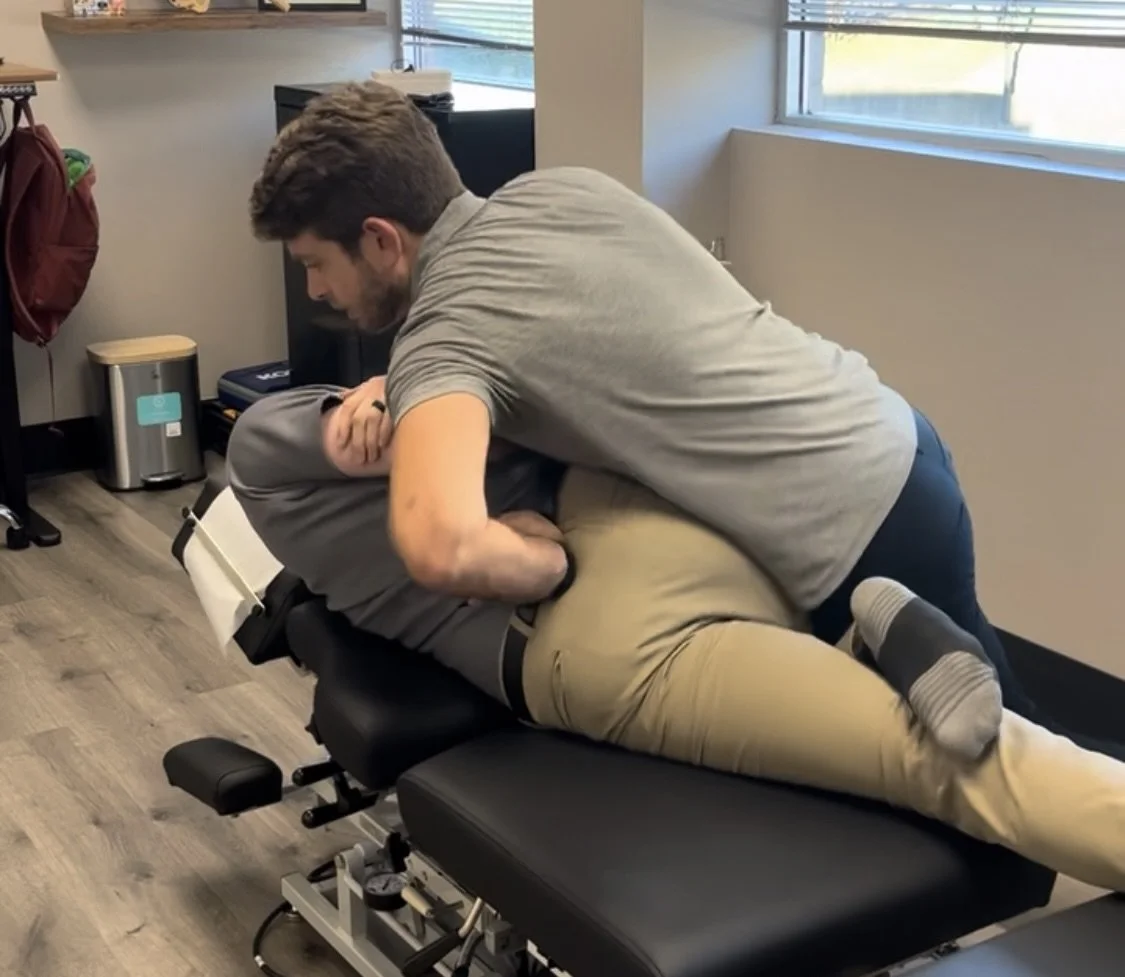
Chiropractic care to restore mobility in the ankle, subtalar joint, and midfoot
Rehab & gait strategies to correct the movement patterns driving the overload and build tissue tolerance so you can return to full mileage without it coming back
You Don't Have to Stop Running
Complete rest is rarely the answer with plantar fasciitis — and for most runners, it's not realistic anyway. We work within your training schedule, modify load where needed, and keep you running throughout the process whenever possible.
The goal isn't just getting you out of pain. It's getting you back to full mileage with a foot that can handle it.
Plantar fasciitis that keeps coming back is telling you something.
Schedule a free 15-minute discovery call to talk through what's going on and find out if we're the right fit.
FAQs
How long does plantar fasciitis take to heal?
1
It depends on how long it's been going on and what's driving it. Chronic cases that have been present for months take longer than recent flare-ups. Most patients notice meaningful improvement within a few weeks once the underlying cause is being addressed rather than just the symptoms.
Do I need to stop running completely?
2
Not typically. We'll assess your training load and modify where needed, but complete rest is rarely necessary and often delays recovery by reducing tissue tolerance. Keeping you moving — smartly — is part of the plan.
I've tried stretching and it hasn't helped. Why?
3
Stretching the calf and plantar fascia addresses tightness but doesn't fix the reason the tissue is being overloaded in the first place. If the ankle mobility, hip stability, or gait mechanics driving the problem aren't addressed, the pain returns as soon as training resumes.
Are orthotics necessary?
4
Orthotics can provide short-term relief by offloading the plantar fascia, but they don't address the root cause. Our goal is to restore the mobility, stability, and movement quality that allows your foot to function without needing permanent external support.