
Shoulder Pain Treatment in Cincinnati
Most shoulder pain isn't a shoulder problem. It's a mobility and stability problem — and once you address the root cause, it responds well to treatment.
Why Does My Shoulder Hurt?
The shoulder is the most mobile joint in the body — and that mobility comes at the cost of stability. When the surrounding muscles, joints, and tissues aren't doing their job, the shoulder compensates. Over time, that compensation creates irritation, pain, and eventually injury.
Most shoulder pain we see isn't the result of a single traumatic event. It builds gradually — a clicking that gets louder, a pinch during a press that turns into a pinch during everything, tightness that never quite goes away no matter how much you stretch it.
The shoulder is usually where the pain lives. It's rarely where the problem starts.
Neck pain that sends symptoms down the arm could be a nerve root issue — or it could be thoracic outlet syndrome. They feel identical but need completely different treatment. Here's how to tell the difference.
A clicking or popping shoulder doesn't always mean something is wrong — but it doesn't always mean nothing is wrong either. Here's how to tell the difference.
What's Actually Driving It?
In lifters and overhead athletes, shoulder pain is commonly driven by:
Limited thoracic spine mobility forcing the shoulder to work harder
Poor scapular control and stability under load
Rotator cuff weakness or poor timing
Restricted shoulder internal or external rotation
Compensation from a previous injury that was never fully rehabbed
Treating only the painful area without addressing these factors leads to short-term relief and long-term frustration.
Common Shoulder Conditions We Treat
Rotator cuff strains and irritation
Shoulder impingement
AC joint sprains
Bicep tendinopathy
Labral irritation
Shoulder instability
Post-surgical rehab
General shoulder tightness and mobility restrictions limiting pressing, pulling, or throwing
How We Treat It
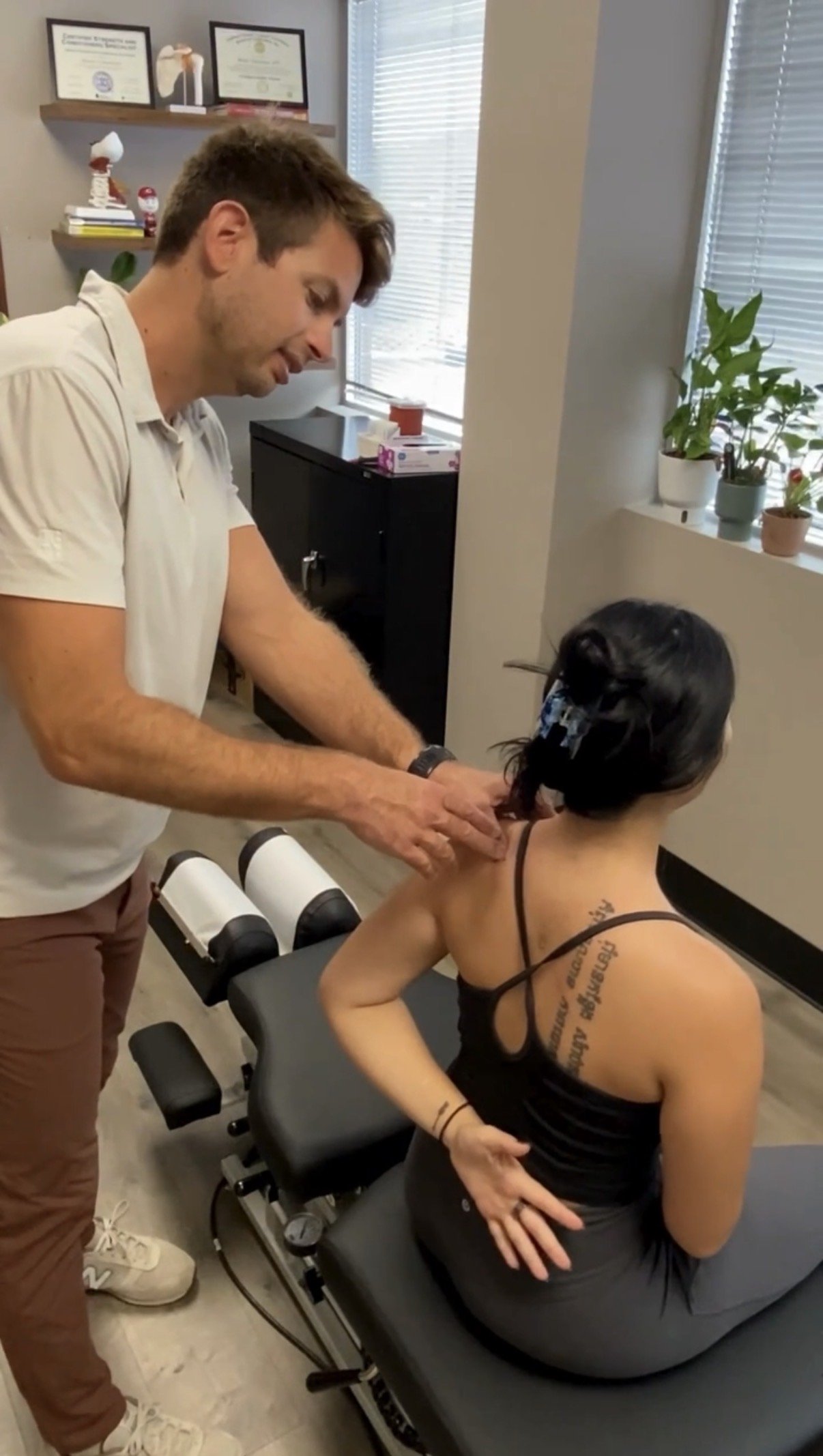
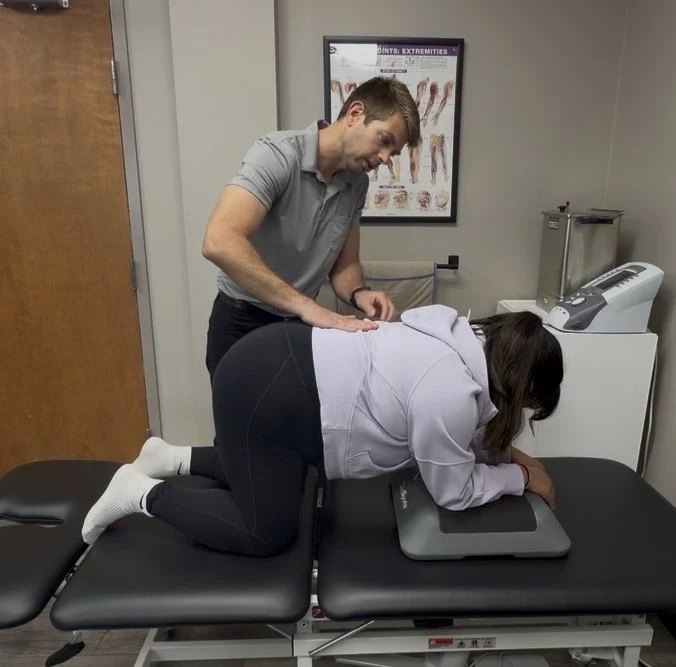
Your first visit includes a thorough movement assessment of the shoulder, scapula, and thoracic spine — because all three need to work together for the shoulder to function properly. Treatment is built around what's actually limiting your movement and driving your pain.
Treatment typically combines:
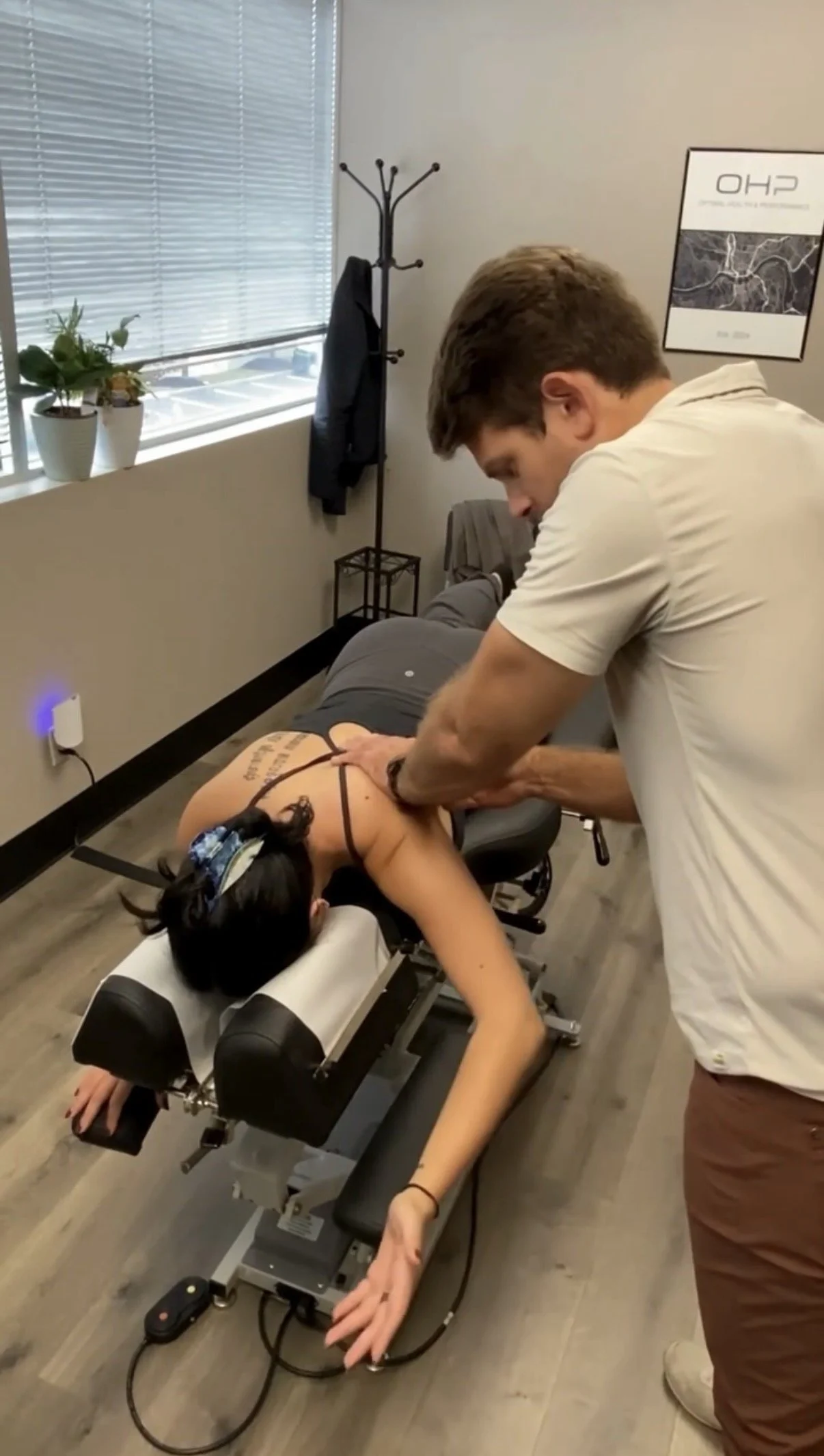
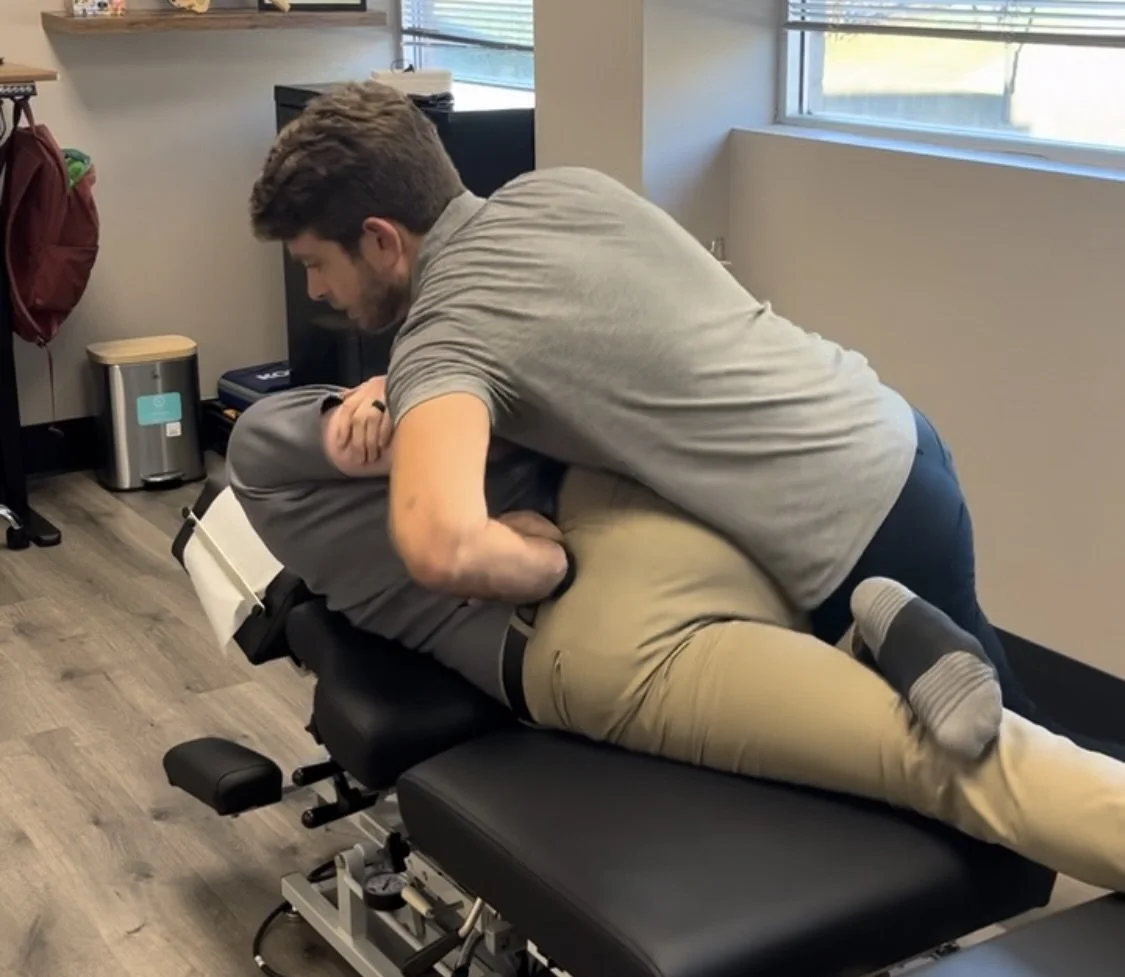
Chiropractic care to restore mobility in the shoulder joint, AC joint, and thoracic spine
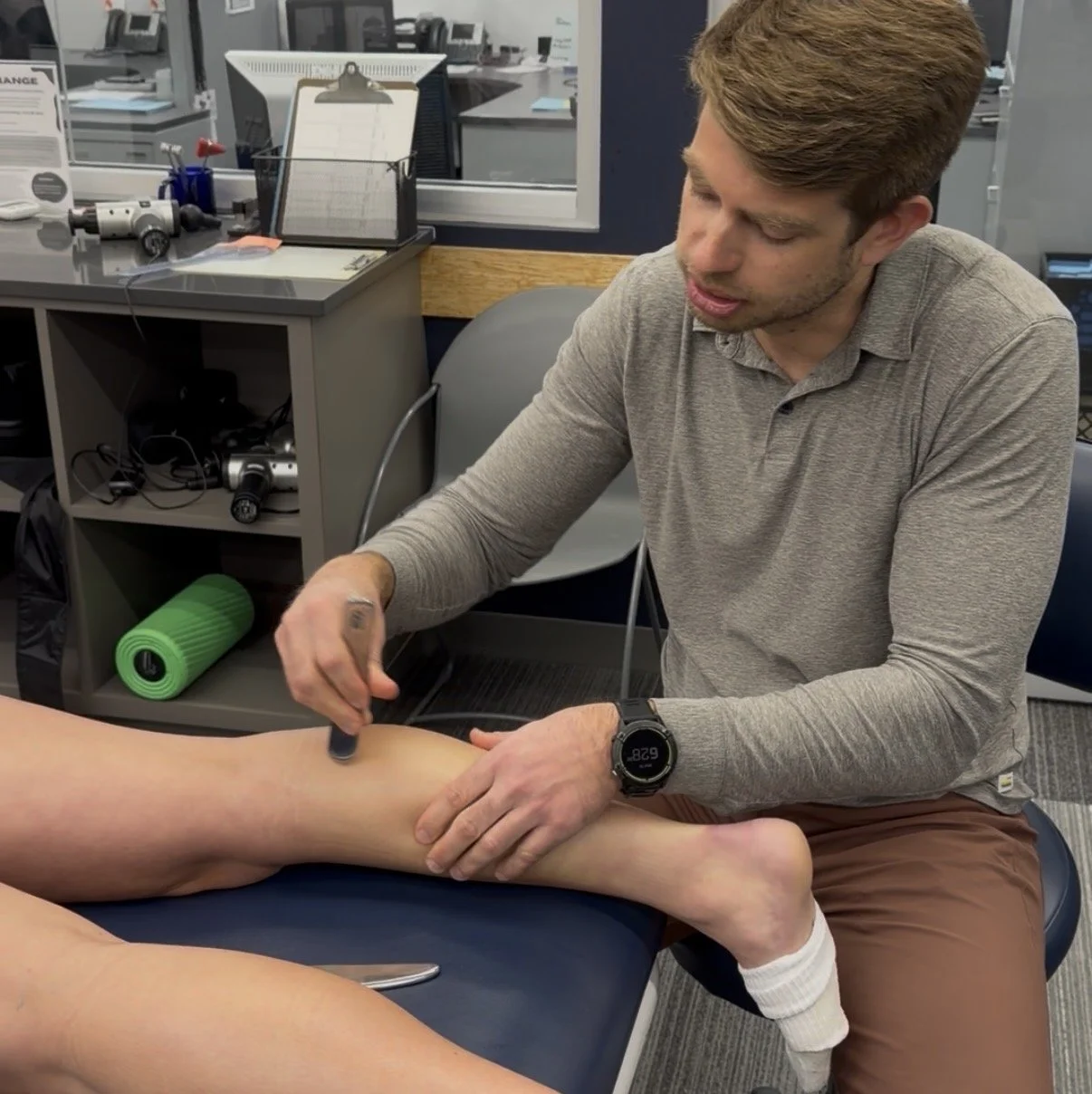
Active Release Technique (ART) to address restrictions in the rotator cuff, bicep, pec minor, and surrounding soft tissue
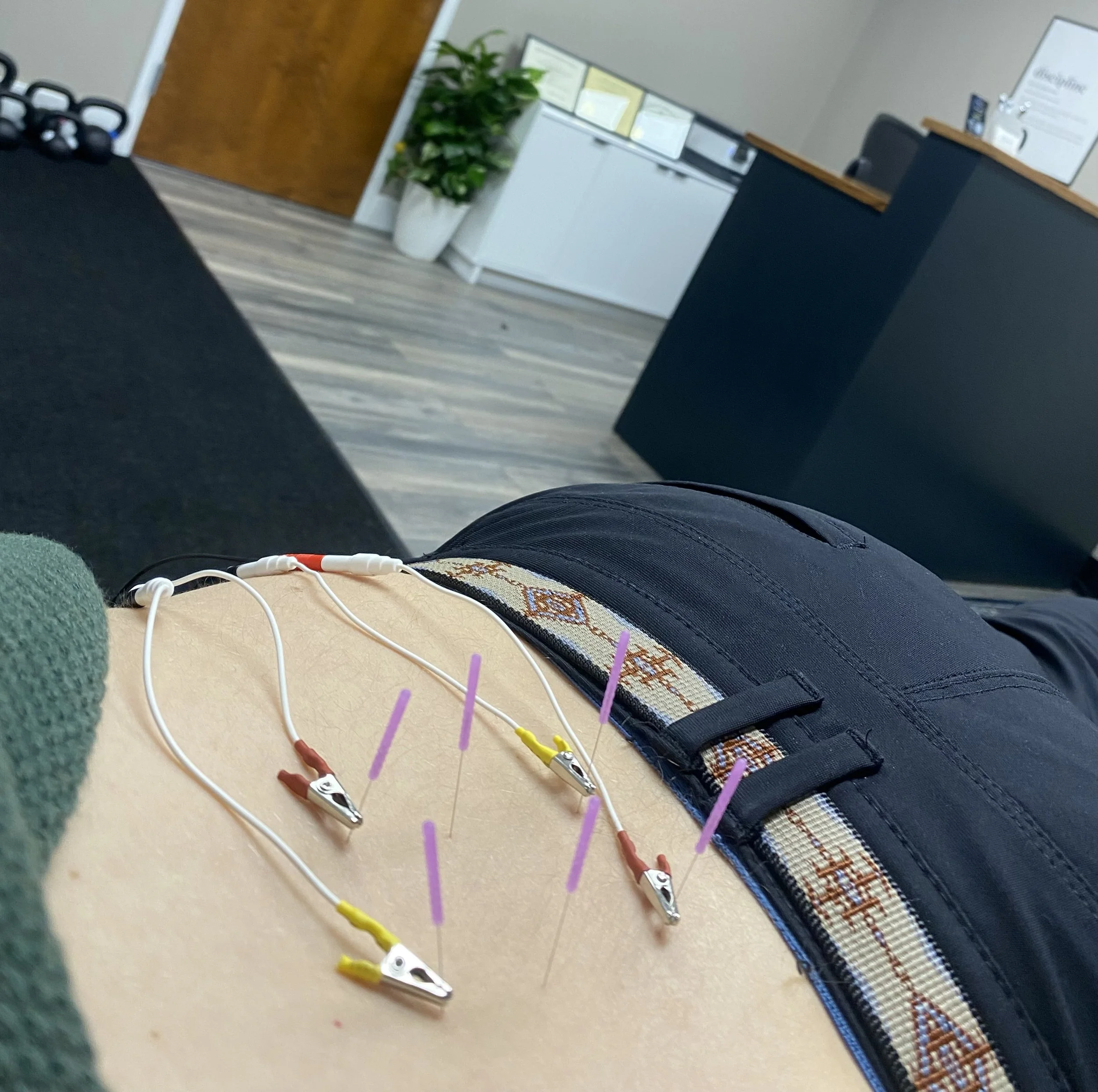
Dry needling to reduce tension and trigger points in the muscles contributing to pain and movement dysfunction
Rehab & stability work to rebuild proper scapular control, rotator cuff timing, and loading tolerance so the shoulder holds up under training demands
Shoulders Respond Well — When Treated Correctly
The shoulder has a reputation for being stubborn. In our experience, that reputation comes from treating symptoms instead of causes. When the full picture is assessed — joint mobility, soft tissue quality, movement patterns, and stability — most shoulder issues respond well and resolve faster than people expect.
Whether you're trying to get back under a barbell, throw without pain, or simply reach overhead without wincing, the goal is the same: a shoulder that works the way it's supposed to.
Shoulder pain that lingers is worth getting looked at.
Schedule a free 15-minute discovery call to talk through what's going on and find out if we're the right fit.
FAQs
How do I know if my shoulder pain is serious?
1
Most shoulder pain we see — impingement, rotator cuff irritation, tendinopathy — is very treatable without surgery. That said, a proper assessment is the only way to know what's actually going on. If something feels off, get it evaluated sooner rather than later.
Can I keep lifting while being treated?
2
Usually yes. We'll identify which movements are loading the shoulder incorrectly and modify accordingly. Avoiding all upper body training is rarely necessary and often slows recovery.
Do I need imaging before coming in?
3
Not typically. A movement-based assessment gives us a clear picture of what's driving the problem. Imaging may be recommended in specific cases but isn't required to start care.
How long does shoulder treatment take?
4
It depends on how long the issue has been going on and how much mobility and stability work is needed. Many patients notice meaningful improvement within a few visits once the root cause is being addressed.