
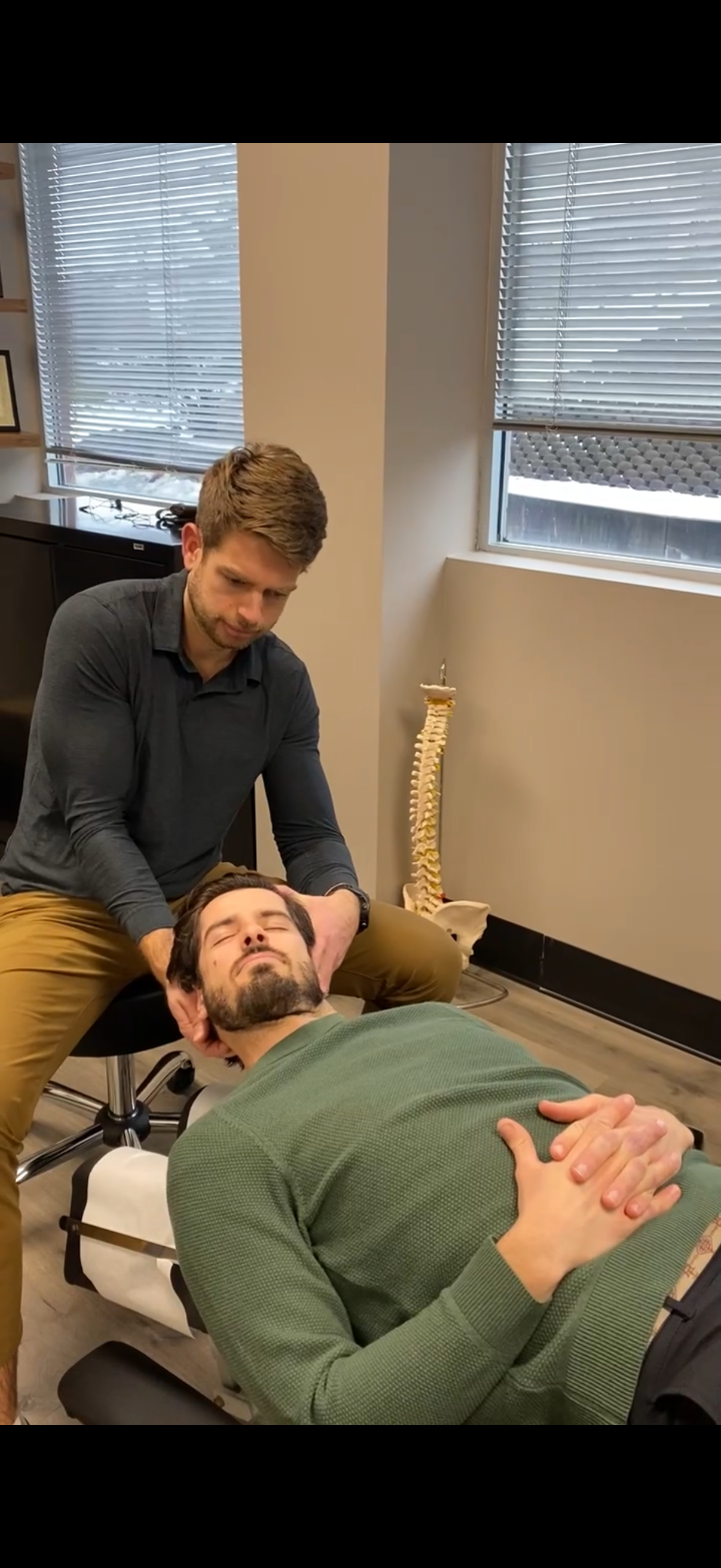
Neck Pain Treatment in Cincinnati
Most neck pain isn't a structural problem — it's a movement and posture problem. That's good news, because it means it's very fixable.
Why Does My Neck Hurt?
Neck pain is one of the most common complaints we see — and one of the most unnecessarily feared. Most people assume persistent neck pain means something is seriously wrong. A bad disc, a pinched nerve, damage that can't be undone.
In reality, the vast majority of neck pain we treat comes down to how the neck is being loaded and how well the surrounding structures are supporting it. Fix the movement, restore the mobility, reduce the tension — and most neck pain resolves.
That doesn't mean it should be ignored. Neck pain that keeps coming back is telling you something about how your body is moving. The sooner that's addressed, the easier it is to fix.
Neck and upper back tightness is often a thoracic spine mobility problem in disguise — the thoracic spine is the body's middle man, and it's rarely not involved. Here's why.
Neck pain that sends symptoms down the arm could be a nerve root issue — or it could be thoracic outlet syndrome. They feel identical but need completely different treatment. Here's how to tell the difference.
Chronic neck tightness and upper trap soreness are often not a neck problem at all — they're a head position problem. Here's what's actually going on.
What's Actually Driving It?
Whether you're sitting at a desk all day or training under load, neck pain is almost always influenced by what's happening above and below it:
Forward head posture increasing compressive load on the cervical spine
Restricted thoracic mobility forcing the neck to compensate during movement
Weak deep neck flexors unable to support the head properly
Tight upper traps and levator scapulae from sustained postures or stress
Poor scapular positioning affecting how the neck and shoulder interact
Overhead loading patterns that compress or irritate cervical joints
The neck is doing too much work because something else isn't doing enough. That's the pattern we look for and correct.
Common Neck Conditions We Treat
Neck pain and stiffness with or without headaches
Cervicogenic headaches originating from the neck
Cervical disc irritation
Nerve-related arm pain, numbness, or tingling
Upper trap and levator tightness
Neck pain from lifting or overhead movements
Tech neck and posture-related cervical pain
Whiplash and post-injury neck stiffness
How We Treat It
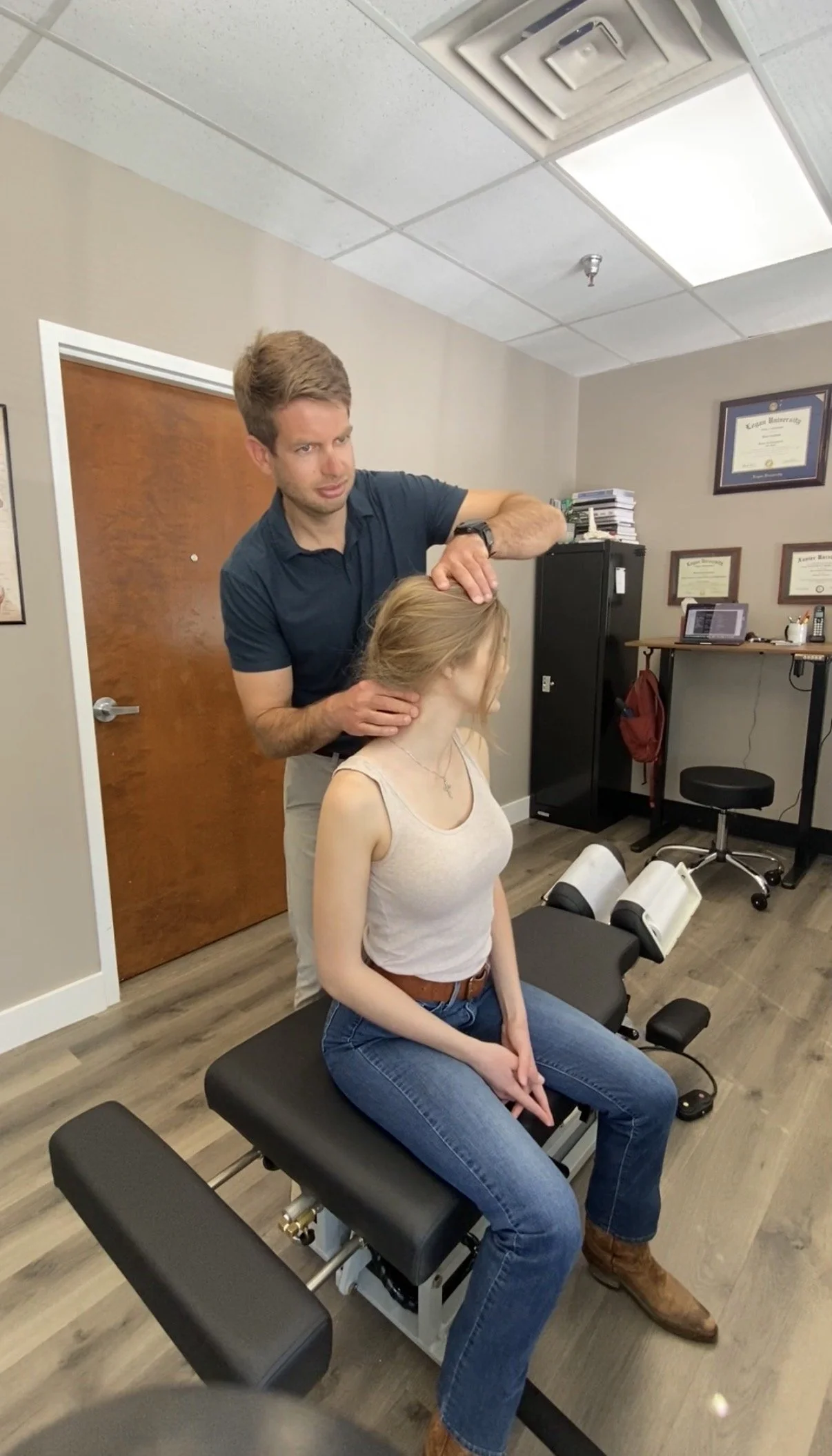
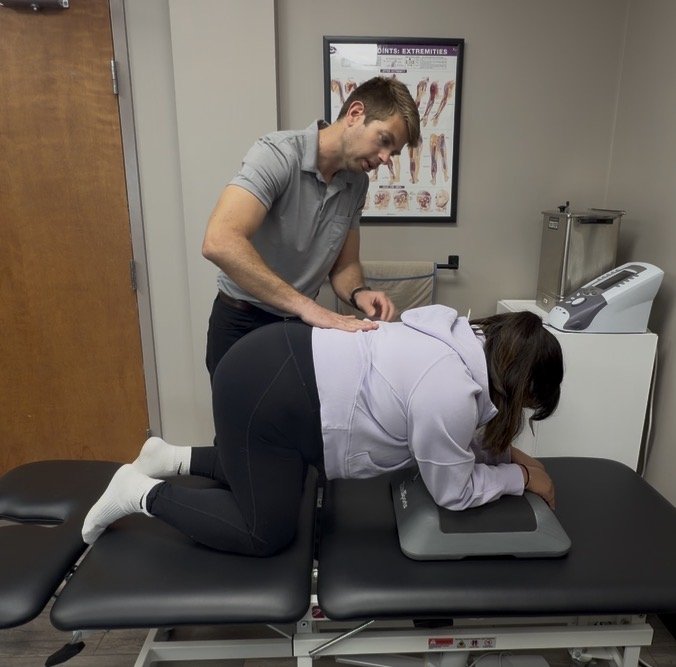
Your first visit includes a movement assessment of the cervical spine, thoracic spine, and shoulder girdle — because all three influence how the neck functions under load. Treatment is built around what's actually driving your symptoms.
Treatment typically combines:
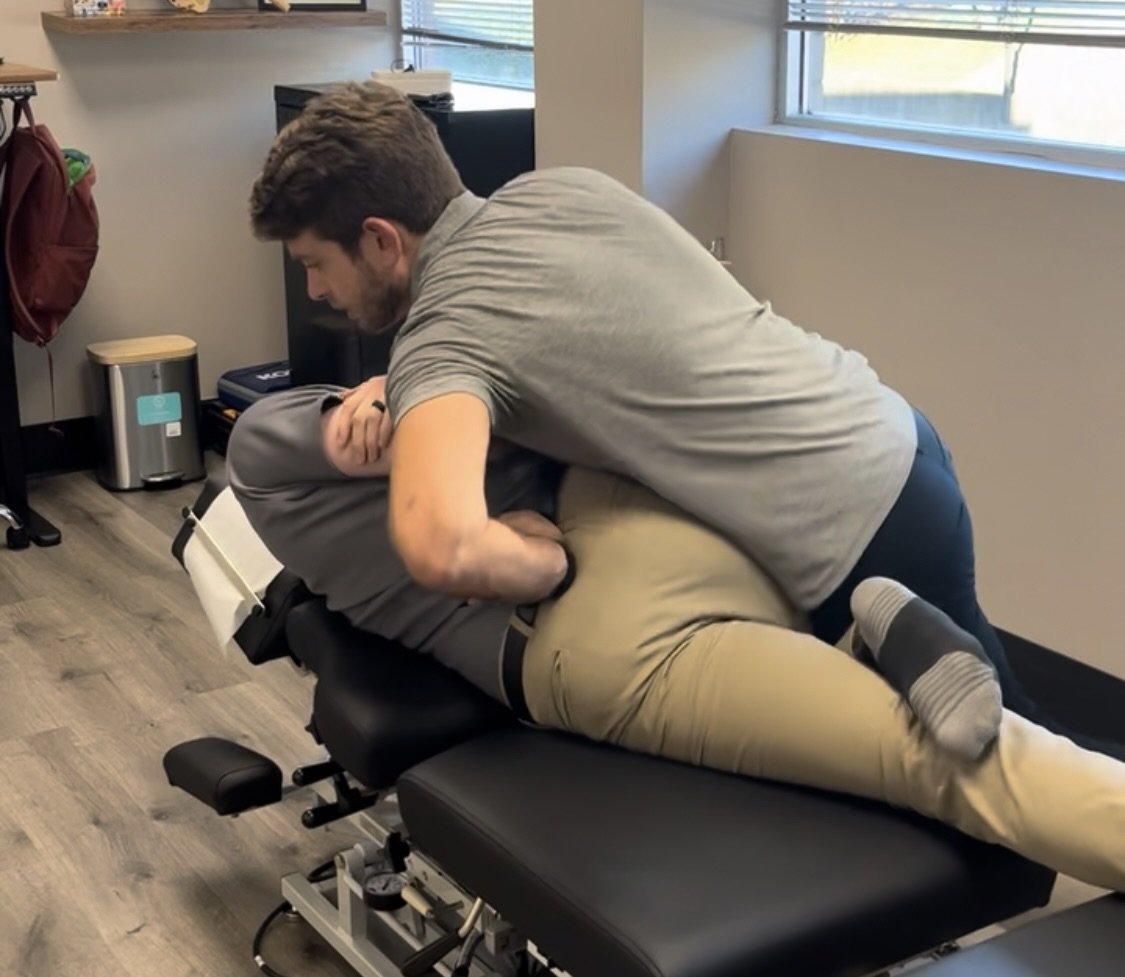
Chiropractic care to restore joint mobility in the cervical and thoracic spine
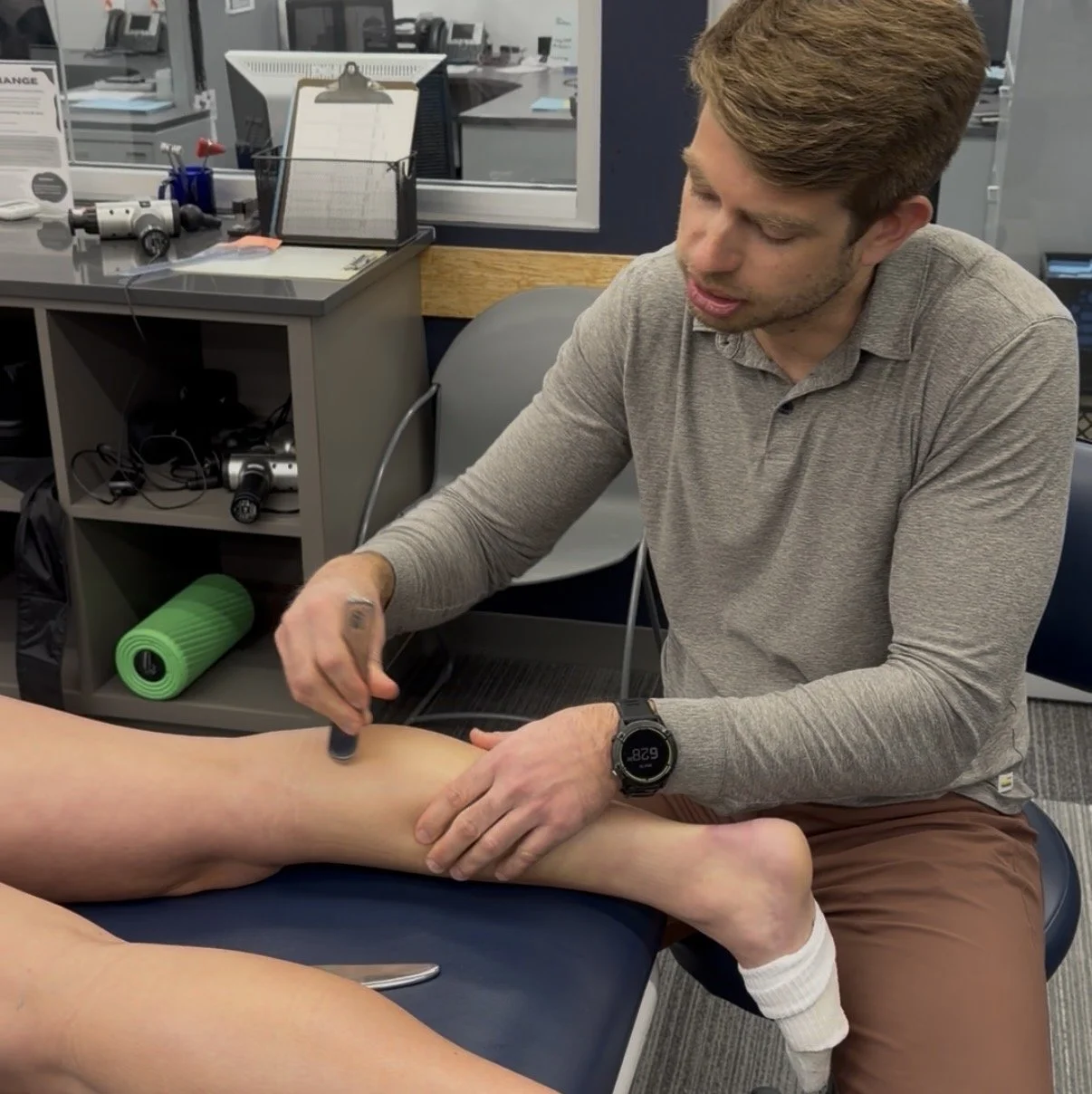
Active Release Technique (ART) to address soft tissue restrictions in the upper traps, levator scapulae, scalenes, and suboccipital muscles
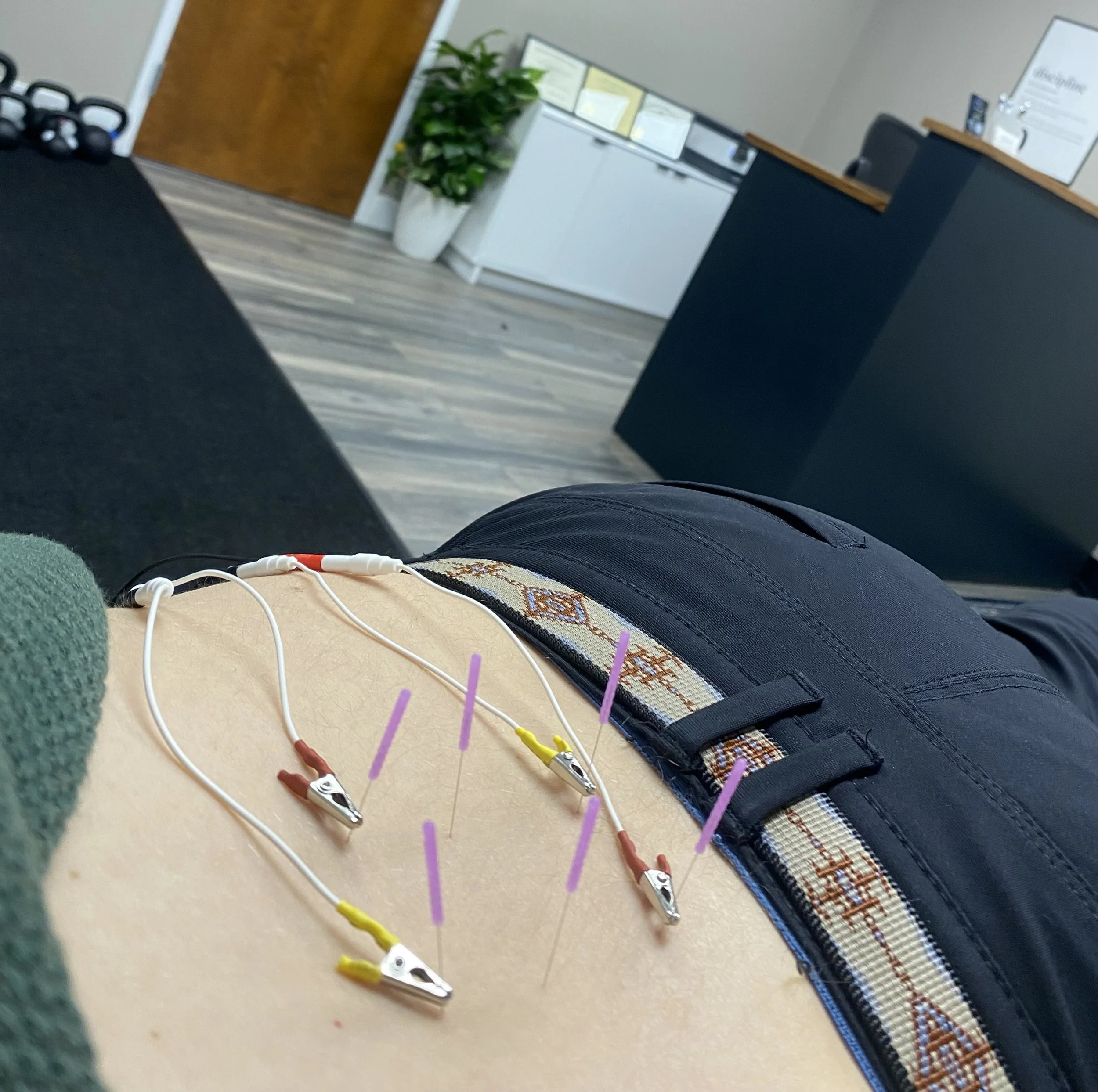
Dry needling to reduce muscular tension and trigger points contributing to pain, stiffness, and headaches
Rehab & postural retraining to rebuild deep neck flexor strength, thoracic mobility, and scapular stability so the neck isn't carrying more load than it should
It Doesn't Have to Be Something You Just Live With
A lot of people normalize neck pain — especially those who sit at a desk, train heavy, or spend time looking at screens. It becomes background noise. Something they manage rather than fix.
It doesn't have to be that way. Most neck pain responds well to care when the full picture is assessed and the right combination of treatment and movement work is applied.
Neck pain that keeps coming back is worth getting assessed.
Schedule a free 15-minute discovery call to talk through what's going on and find out if we're the right fit.
FAQs
Can neck pain cause headaches?
1
Yes. Cervicogenic headaches — headaches originating from the neck — are extremely common and often misidentified as tension or migraine headaches. Tightness in the suboccipital muscles and restricted cervical joint mobility are frequent culprits that respond well to treatment.
Is my neck pain serious?
2
Most neck pain is not serious and responds well to conservative care. However, if you're experiencing nerve-related symptoms like numbness, tingling, or weakness into the arm or hand, it's worth getting evaluated sooner rather than later.
Do I need imaging before coming in?
3
Not typically. A movement-based assessment gives us a clear picture of what's driving the problem. Imaging may be recommended in specific cases but isn't required to start care.
Can lifting or training make neck pain worse?
4
It can — depending on what's driving it and how you're loading. We'll assess which movements are contributing to the problem and modify accordingly rather than pulling you out of training entirely.