
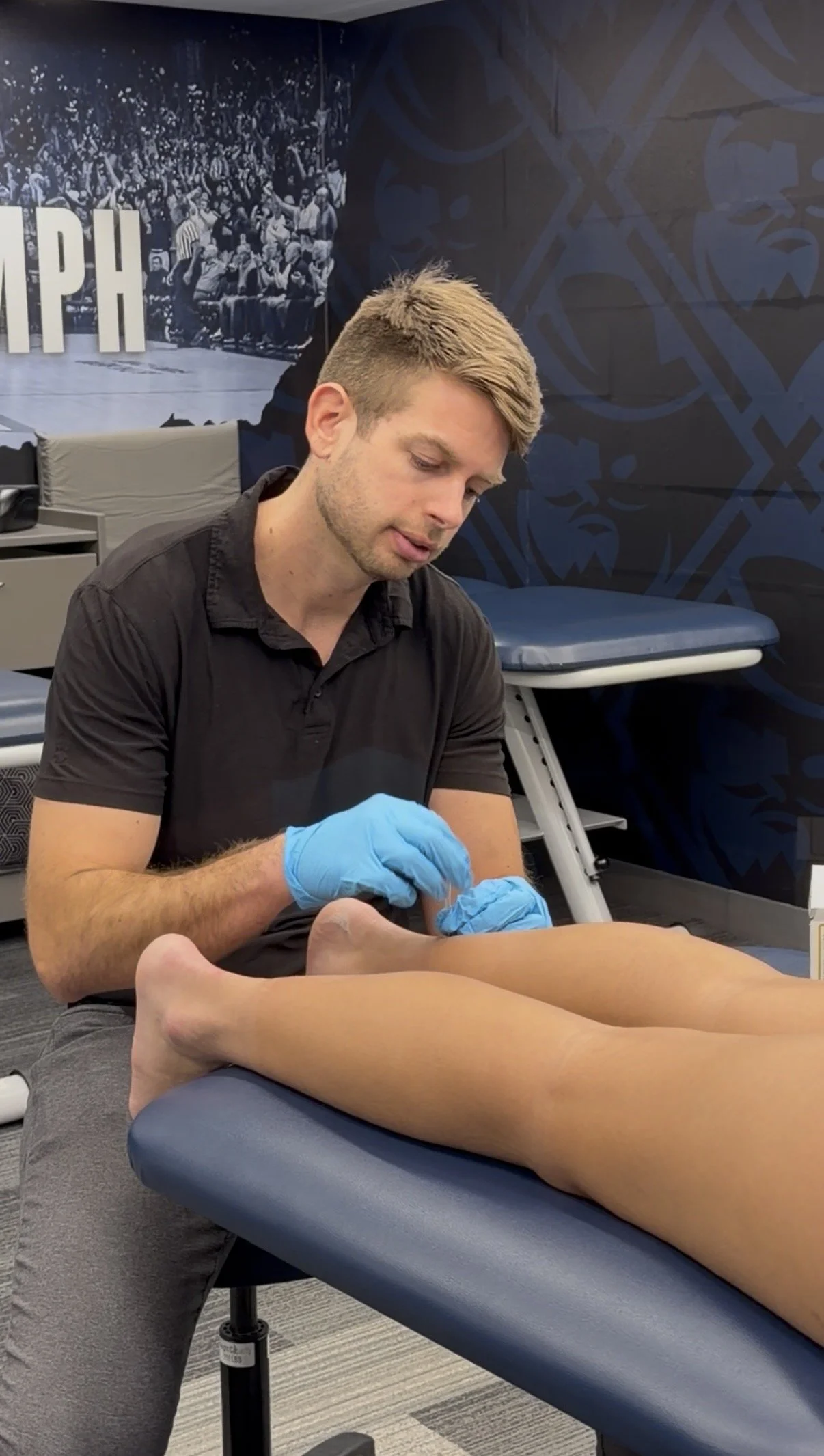
Dry Needling in Cincinnati
Dry needling is not acupuncture. It's a precise, evidence-based technique that targets muscular tension and trigger points at a depth nothing else can reach — and the results speak for themselves.
What Is Dry Needling?
Dry needling is a treatment technique that uses thin, solid filament needles to target trigger points — tight, irritable knots within muscle tissue that cause pain, restrict movement, and refer discomfort to other areas of the body.
The needle is inserted directly into the trigger point, producing a brief involuntary muscle twitch. That twitch response resets the muscle, reduces tension, improves blood flow to the area, and jumpstarts the body's natural healing process.
It's called "dry" needling because no medication or substance is injected — the needle itself is the treatment.
Is It the Same as Acupuncture?
No — and the distinction matters. Acupuncture is rooted in traditional Chinese medicine and works along energy meridians to restore the flow of qi. Dry needling is based entirely on Western anatomy, neuroscience, and musculoskeletal medicine. The needles look similar, but the underlying framework, target tissue, and clinical application are completely different.
Dry needling targets specific muscles, trigger points, and connective tissue based on your movement assessment and symptoms — not meridian pathways.
What Does Dry Needling Feel Like?
Most patients are surprised by how manageable dry needling is. The needle itself is extremely thin — much finer than a standard injection needle — and insertion is typically not painful.
When the needle reaches the trigger point, you'll feel a brief muscle twitch or deep ache. That sensation is the treatment working. It passes quickly and is followed by a noticeable release of tension in the area.
Some mild soreness is normal afterward — similar to how a muscle feels after a hard workout — and typically resolves within 24–48 hours. Most patients feel significant relief within that window.
What Can Dry Needling Help With?
Dry needling is effective for a wide range of musculoskeletal conditions, including:
Muscle tightness and trigger points that don't respond to stretching or massage
Low back pain and muscle guarding
Neck pain and upper trap tightness
Shoulder pain and rotator cuff tension
Hip flexor and glute tightness
IT band syndrome and knee pain
Plantar fasciitis and calf tightness
Headaches driven by cervical muscle tension
Recurring muscle strains and slow-healing soft tissue injuries
If deep muscular tension is contributing to your pain or limiting your movement, dry needling can address it directly and efficiently.
How Dry Needling Fits Into Your Care
Dry needling is rarely used in isolation. At Optimal Health & Performance it's integrated into a broader treatment plan alongside chiropractic adjustments, Active Release Technique, and rehab — because muscular tension, joint restriction, and movement dysfunction almost always occur together.
Dry needling handles the deep muscular component faster and more effectively than manual techniques alone. Combined with joint work and movement retraining, it produces results that neither approach achieves as well on its own.
Is Dry Needling Safe?
Yes. When performed by a trained and certified provider, dry needling is very safe. Dr. Trautman is fully certified in dry needling and applies it with a thorough understanding of anatomy, tissue depth, and clinical indication — meaning the right muscles are targeted for the right reasons, not as a generic add-on to every visit.
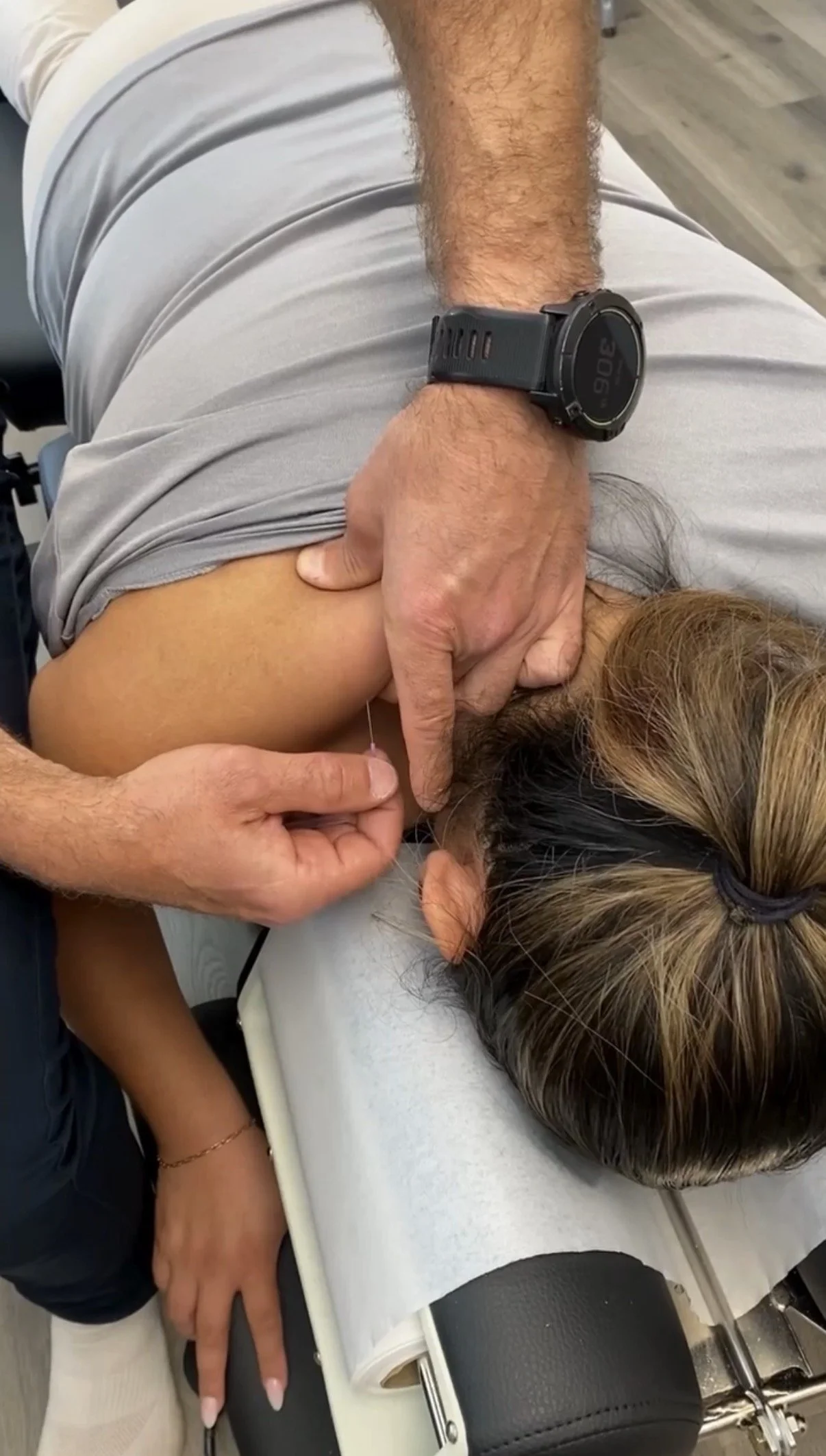
Muscle tension that hasn't responded to anything else may be exactly what dry needling is for.
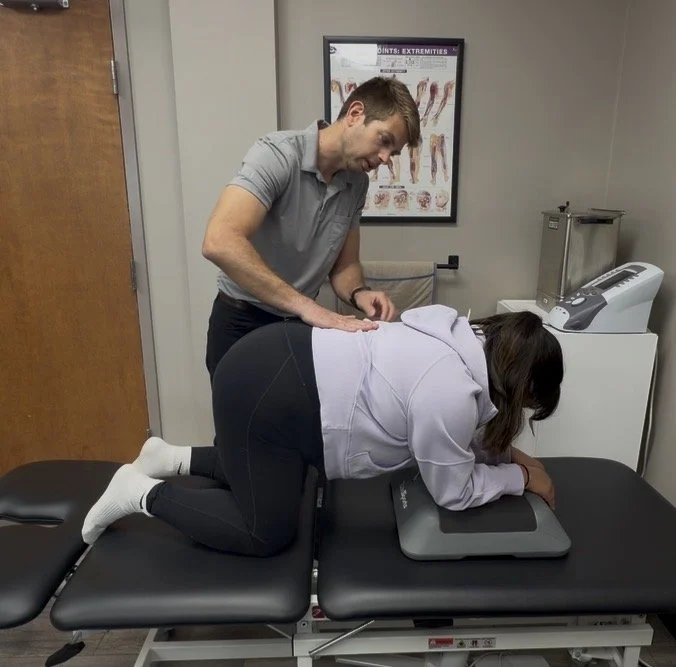
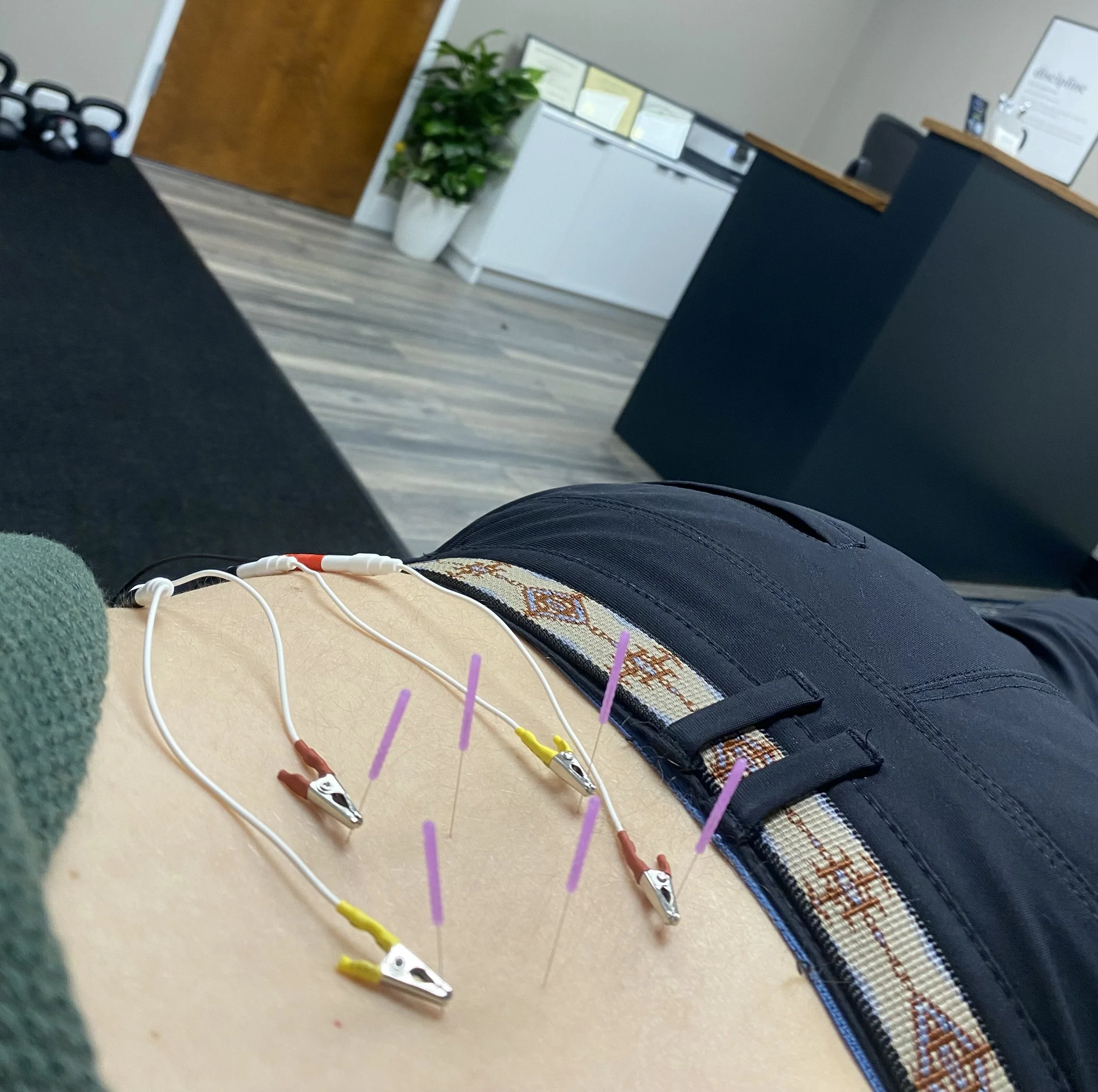
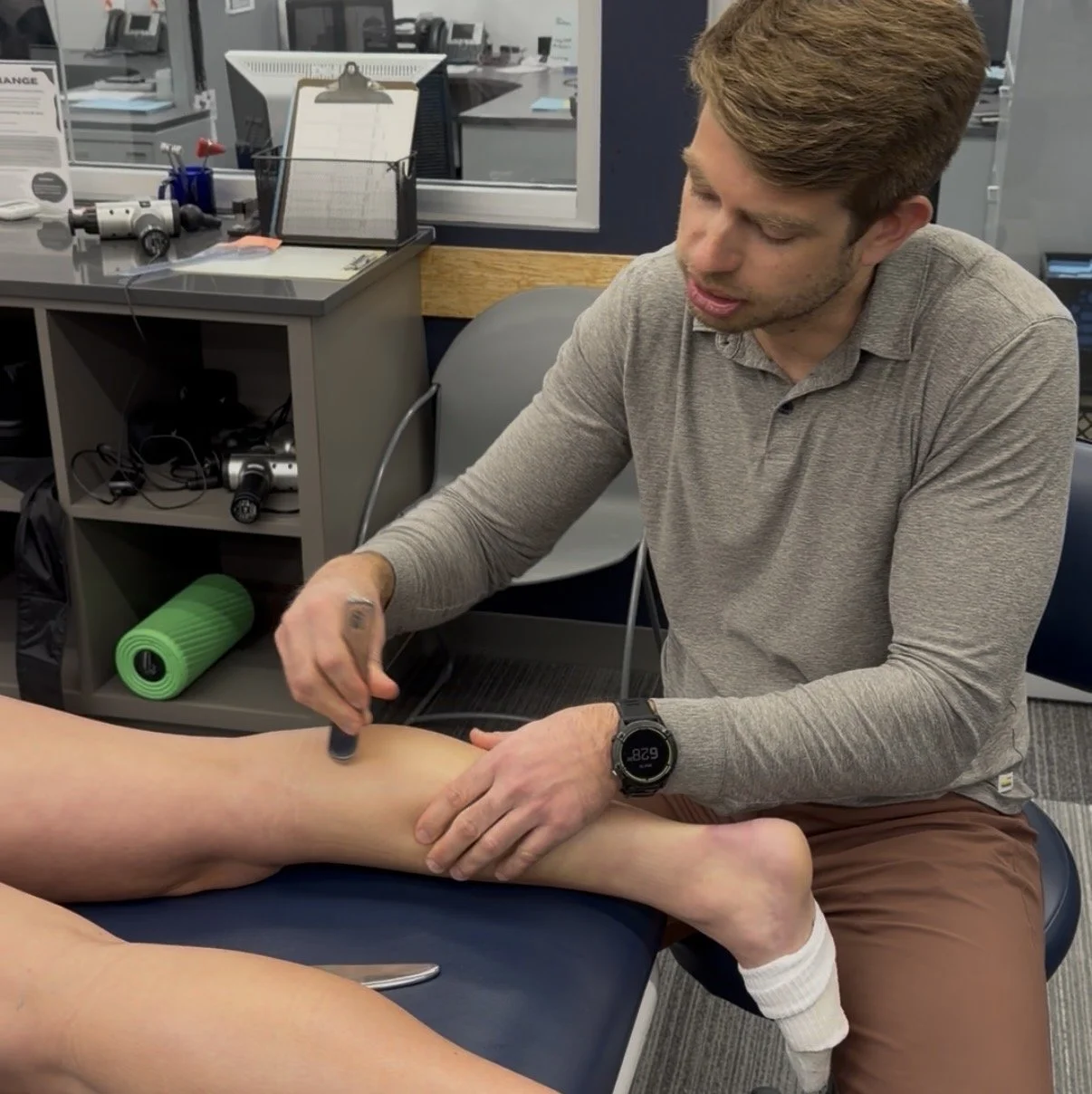
Schedule a free 15-minute discovery call to find out if dry needling is the right fit for what you're dealing with.
FAQs
Does dry needling hurt?
1
Most patients find it more manageable than they expected. Needle insertion is minimally uncomfortable. The muscle twitch response feels like a brief deep ache or cramping sensation — it passes quickly and is typically followed by immediate relief of tension in the area.
How many dry needling sessions will I need?
2
Many patients notice significant improvement after 2–4 sessions. Chronic or deeply ingrained trigger points may take longer, but dry needling tends to produce results quickly once the right muscles are being targeted.
Mild post-treatment soreness is normal and expected — particularly after the first session. It typically resolves within 24–48 hours and is not a sign that something went wrong. Most patients feel noticeably better once that soreness clears.
Can dry needling make things worse before they get better?
3
Is dry needling the same as trigger point injections?
4
No. Trigger point injections use a hypodermic needle to inject medication (such as lidocaine or saline) into a trigger point. Dry needling uses a solid filament needle with no injected substance — the mechanical effect of the needle itself produces the therapeutic response.
Come hydrated and wear or bring clothing that allows access to the area being treated. Avoid intense training immediately before or after a dry needling session — light activity is fine, but give the treated tissue a little time to respond before loading it heavily.