
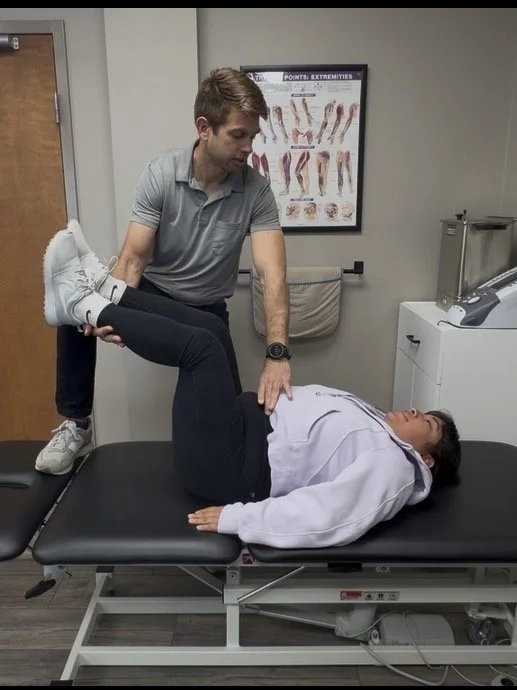
Rehab & Performance Therapy in Cincinnati
Getting out of pain is the first step. Staying out of pain and performing at your best is the goal. Rehab & performance therapy is what bridges the gap between the two.
Why Rehab Matters — Even When You Feel Better
Most people stop treatment when the pain goes away. That's understandable — pain is what drove them to seek help in the first place. But pain resolution and full recovery are not the same thing.
When an injury heals or a joint is mobilized, the muscles and movement patterns that contributed to the problem are still there. Without addressing those patterns — rebuilding strength, improving stability, retraining movement quality — the same issue returns the next time you train hard, increase volume, or put your body under load.
Rehab & performance therapy is what closes that gap. It takes the work done through chiropractic care, ART, and dry needling and turns it into lasting results.
This Isn't Generic Physical Therapy
Rehab at Optimal Health & Performance is built around your training and your goals — not a generic protocol pulled from a textbook.
If you're a runner, rehab addresses running mechanics, hip stability, and loading tolerance. If you're a lifter, it addresses movement quality under load, joint positioning, and the specific demands of your training. If you're returning from injury, it's a progressive plan designed to rebuild confidence and capacity without re-aggravating what was just fixed.
Every rehab plan is individualized, performance-oriented, and designed to keep you as active as possible throughout the process.
What Rehab & Performance Therapy Addresses
Movement pattern dysfunction driving recurring injury
Weakness and instability contributing to joint overload
Poor motor control limiting performance under load
Return to sport and return to training progressions
Mobility restrictions that limit lifting, running, or athletic movement
Compensation patterns developed around old or unresolved injuries
Performance plateaus related to movement quality rather than fitness
How It Works
Rehab begins with understanding where you are and where you want to be. Using the Selective Functional Movement Assessment (SFMA) and other movement-based tools, Dr. Trautman identifies the specific dysfunctions limiting your movement and performance — then builds a progressive plan to correct them.
Treatment typically combines:
Movement retraining to correct faulty patterns that are loading joints incorrectly
Targeted strengthening focused on the specific muscles and stability systems that need to be rebuilt
Mobility work to restore range of motion that's limiting movement quality
Load management to ensure training volume and intensity are progressing in a way the body can handle
Sport and activity-specific progressions to bridge the gap between rehab and full performance
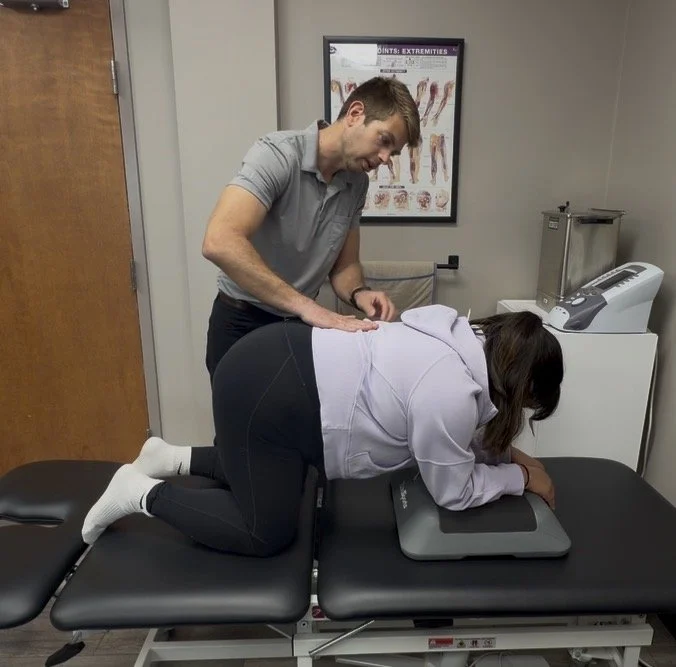
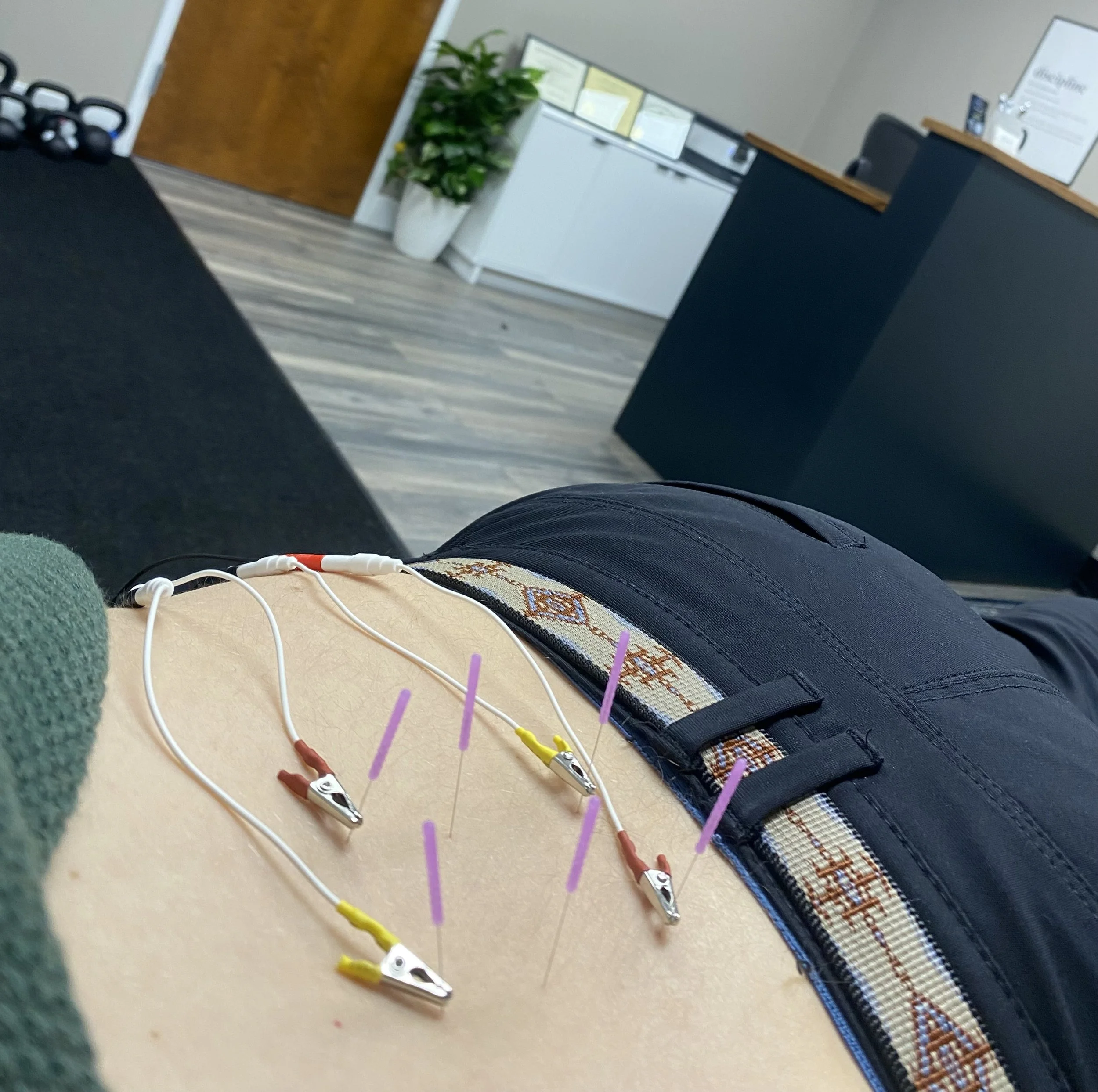
Rehab is integrated into visits alongside chiropractic care, ART, and dry needling — not delivered as a separate, isolated service. Everything works together as part of a single cohesive plan.
Performance Therapy — Not Just Injury Recovery
Rehab & performance therapy isn't only for people recovering from injury. It's also for athletes and active adults who want to move better, perform at a higher level, and reduce the risk of injury before it happens.
If you've noticed your squat mechanics breaking down under load, your running gait deteriorating late in a race, or a movement limitation that's been quietly capping your performance — that's exactly what this is for.
You don't have to be injured to benefit from moving better.
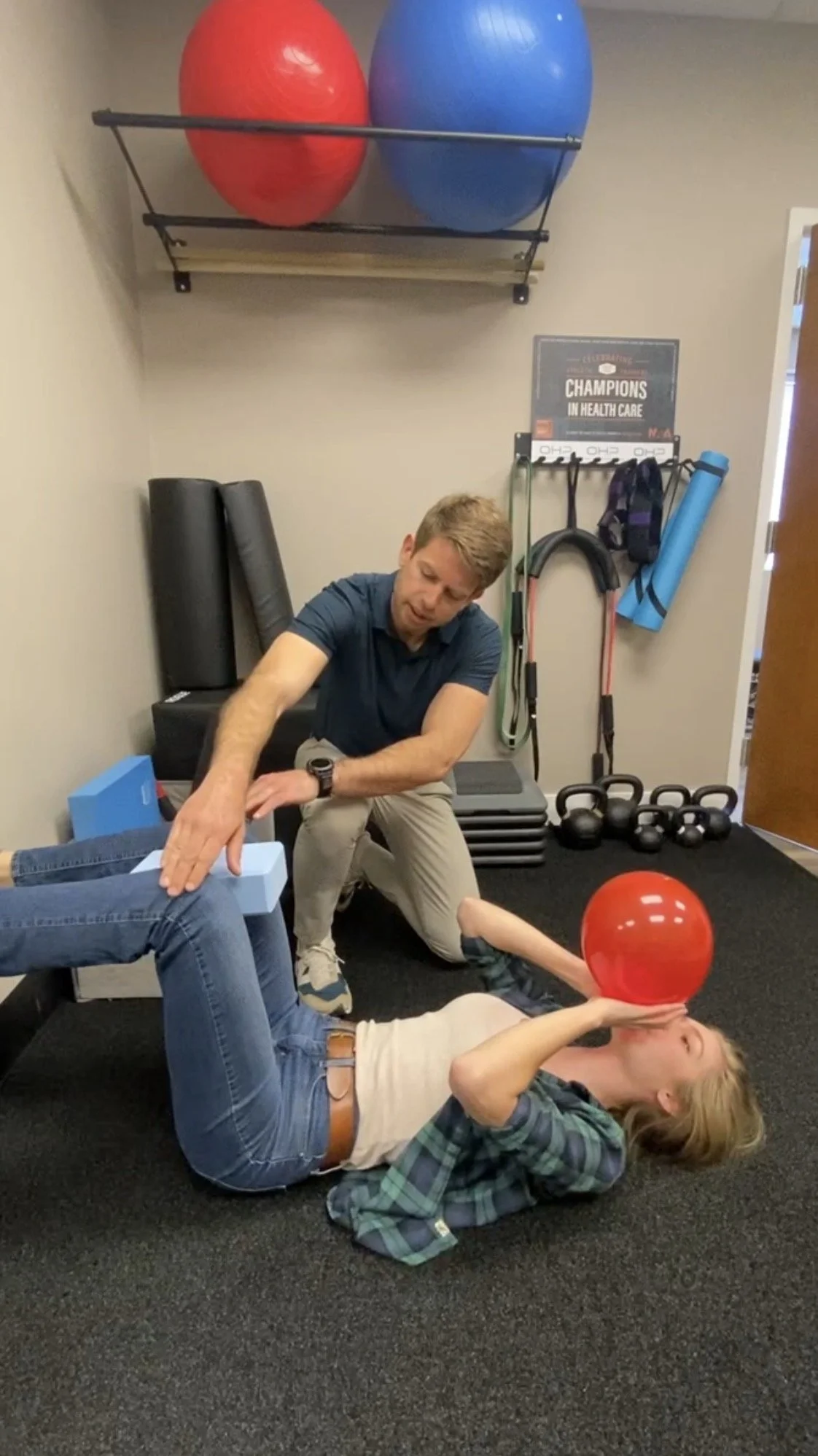
Dynamic Neuromuscular Stabilization (DNS)
One of the more advanced frameworks applied at Optimal Health & Performance is Dynamic Neuromuscular Stabilization — a rehabilitation approach developed at the Prague School of Rehabilitation based on the principles of developmental kinesiology.
DNS works by retraining the deep stabilization systems of the spine and trunk — the muscles responsible for joint centration, intra-abdominal pressure, and movement quality under load. These are the systems that develop naturally in the first years of life and are often disrupted by injury, compensation patterns, or years of faulty movement.
Where standard rehab focuses on strengthening specific muscles, DNS addresses the neuromuscular coordination underlying all movement — how the deep stabilizers activate, sequence, and work together to support the spine and extremities during loaded activity.
In practice this means:
Retraining breathing mechanics and intra-abdominal pressure strategies that directly affect spinal stability under load
Restoring joint centration — optimal joint positioning — during movement patterns like squatting, hinging, pressing, and running
Addressing the root cause of recurring injuries that keep coming back despite adequate strength and mobility work
For athletes and active adults who have done everything right and still can't seem to resolve a stubborn injury or movement limitation, DNS often addresses the layer that everything else missed.
Ready to move better and perform at your best?
Schedule a free 15-minute discovery call to talk through your goals and find out if rehab & performance therapy is the right fit.
FAQs
Is this the same as physical therapy?
1
There's overlap, but the approach here is different. Rehab at Optimal Health & Performance is performance-oriented and fully integrated with chiropractic care, ART, and dry needling — not delivered in isolation. The focus is on movement quality, loading strategy, and keeping you training throughout the process rather than a standard protocol-based approach.
Do I need to be injured to do rehab?
2
No. Performance therapy is equally valuable for athletes who want to move better, address a nagging limitation, or reduce injury risk. You don't need to be in pain to benefit from improving how your body moves under load.
Yes. Home exercise programming is part of the plan. The goal is to give you tools you can use independently — not to make you dependent on in-office visits to maintain your progress.
Will rehab exercises be something I can do on my own?
3
How long does rehab take?
4
It depends on the complexity of the issue, how long it's been present, and your goals. Simple movement corrections may take just a few sessions. More involved return-to-sport progressions take longer. You'll have a clear timeline after your first visit.
Can I do rehab alongside my regular training?
5
Yes — that's the goal. Rehab here is designed to integrate with your training schedule, not replace it. We'll work around your program, modify where needed, and progress your rehab alongside your performance goals.